The Organisation of Petroleum Exporting Countries has said increased oil production, economic reforms and stronger private-sector activity are supporting Nigeria’s economic growth.
OPEC said Nigeria’s economy grew by 3.9 per cent year-on-year in the first quarter of 2026, slightly below the 4.0 per cent recorded in the fourth quarter of 2025.
The organisation said the non-oil sector remained a major contributor to growth, with agriculture, manufacturing, construction, trade, finance and insurance driving economic activity.
It added that higher oil production had strengthened government revenues, foreign exchange inflows and Nigeria’s external financial position.
OPEC noted that private-sector activity continued to expand in July, although at a slower pace. The Stanbic IBTC Nigeria Purchasing Managers’ Index fell to 52.5 in July from 53.4 in June and 54.1 in May.
Despite the decline, the index remained above the 50-point mark, indicating continued expansion in business activity for the sixth consecutive month.
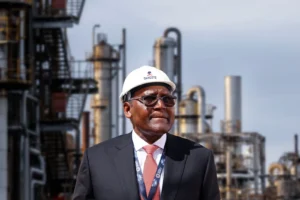
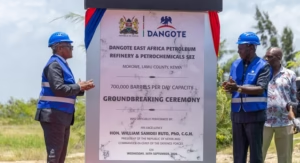
The organisation also highlighted the growing contribution of domestic refining capacity, particularly the Dangote Petroleum Refinery, saying increased local fuel production could improve energy availability and reduce pressure linked to petroleum imports.
OPEC said cost pressures were beginning to ease, although businesses continued to face higher fuel and raw material costs. Headline inflation stood at 15.9 per cent in May and June.
The oil producers’ group said Nigeria’s near-term economic outlook remained positive, with higher oil production, reforms, infrastructure investment and stronger business activity expected to sustain economic growth.