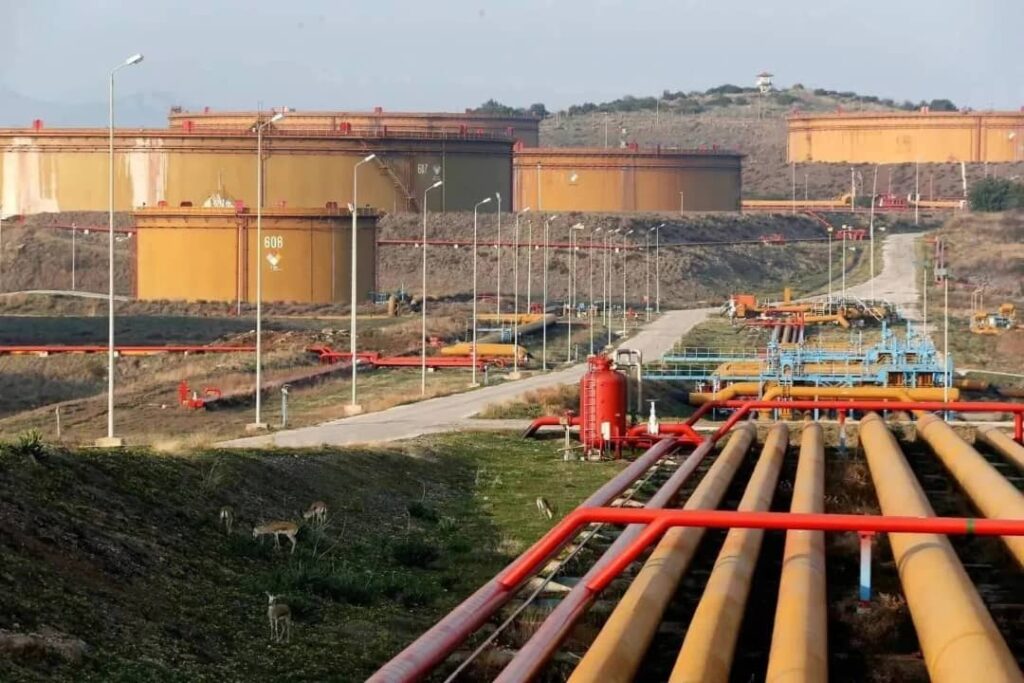
Algeria has officially commenced construction of the long-awaited Trans-Saharan Gas Pipeline (TSGP), a major energy infrastructure project designed to transport natural gas from Nigeria to European markets through Niger and Algeria.
The groundbreaking ceremony was attended by the energy ministers of the three participating countries, signaling renewed commitment to a project that has been under discussion for more than a decade.
Once completed, the pipeline is expected to carry up to 30 billion cubic metres of natural gas annually from Nigeria, one of Africa’s largest gas producers, through Niger and onward to Algeria. From there, the gas will be connected to existing export networks serving Europe.
The project is gaining momentum amid rising global demand for natural gas and Europe’s efforts to diversify its energy supply sources following disruptions in international energy markets in recent years.
Industry observers believe the pipeline could strengthen energy cooperation among the participating nations while creating new revenue opportunities and attracting investment into the region’s gas sector.
Algeria has become an increasingly important supplier of natural gas to Europe and is expected to play a central role in the export segment of the project once the pipeline becomes operational.
The Trans-Saharan Gas Pipeline is one of two major African gas export initiatives targeting the European market. It will operate alongside the proposed Nigeria-Morocco Gas Pipeline, which plans to transport Nigerian gas along the West African coastline before connecting to Europe.
Analysts say the successful execution of the TSGP could significantly boost Africa’s role in global energy markets while improving regional economic integration and energy security.