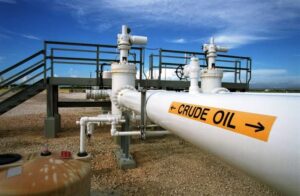
Nigeria recorded a 21 percent increase in non-oil exports in 2025, reflecting stronger global demand for agricultural and industrial products and ongoing efforts to diversify the economy away from crude oil.
President Bola Tinubu disclosed the development during his Democracy Day address, noting that more than 1,000 small and medium-sized enterprises have now been certified for export participation under government-backed trade expansion programmes.
He explained that recent economic reforms introduced since 2023 have helped restore investor confidence and improve stability across key sectors including agriculture, manufacturing, mining, technology, and transport. According to him, these changes are beginning to reflect in improved revenue flows to federal, state, and local governments.
A major driver of the export growth has been increased demand for Nigerian products such as cocoa, fertiliser, and cashew nuts. Trade expansion under the African Continental Free Trade Area has also contributed by widening market access for local producers across the continent.
Data referenced in the address indicated that Nigeria exported 281 different non-oil products in 2025, with major destinations including the Netherlands, India, Brazil, Belgium, and the United States. The Nigerian Export Promotion Council attributed part of the expansion to improved trade facilitation and regional agreements.
The president also highlighted ongoing agricultural support initiatives, including a plan by the National Agricultural Development Fund to deploy 10,000 tractors over a five-year period to strengthen food production and improve mechanisation across farming communities.
He added that infrastructure development projects across the country are helping to link producers more efficiently to markets, supporting job creation and small business growth.
Nigeria is expected to build on the current momentum by further expanding its non-oil export base as part of broader efforts to reduce dependence on crude oil revenues and strengthen long-term economic resilience.