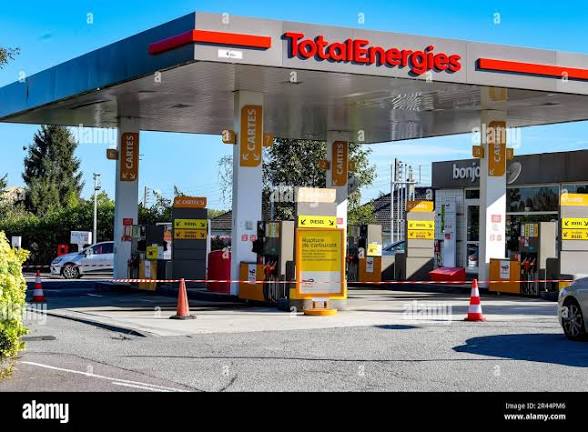
French energy giant TotalEnergies generates roughly $400 million each year from marketing liquefied natural gas (LNG) cargoes produced at Russia’s Yamal LNG project, despite sanctions imposed following Russia’s invasion of Ukraine.
Speaking during the company’s earnings call on Thursday, Chief Executive Officer Patrick Pouyanné said the revenue comes from LNG cargoes that TotalEnergies is entitled to lift and sell through its UK-based trading operations. He noted that the earnings fluctuate because the contracts are linked to international oil prices, particularly Brent crude.
Although TotalEnergies retained its interests in Russian LNG assets after the outbreak of the war in 2022, the company removed those investments from its consolidated financial reporting. As a result, the related income is no longer reflected in its published accounts.
European buyers have continued to import significant volumes of LNG from the Yamal project, Russia’s largest LNG facility, even as the European Union prepares to prohibit such imports from next year under its latest sanctions package.
Beyond the trading income, TotalEnergies also benefits from its equity holdings in the project. The company owns a 20% stake in Yamal LNG and a 19.4% interest in Novatek, the Russian producer that controls the project.
Pouyanné said dividend payments from these investments have been limited because financial sanctions have complicated the transfer of funds from Russia to Europe. While some cash has been received, he explained that not all available dividends have been repatriated due to restrictions on cross-border payments.
He did not disclose the total amount transferred so far. However, he had previously indicated that dividends from Novatek were worth around $600 million annually, although much of that income remained trapped in Russia.
The comments come as Brent crude prices remain elevated amid supply concerns linked to ongoing geopolitical tensions in the Middle East, contributing to stronger returns from oil-linked LNG contracts.