The Federal Government may spend close to N2tn on electricity subsidies in 2026 as it maintains its decision not to increase electricity tariffs in the immediate term.
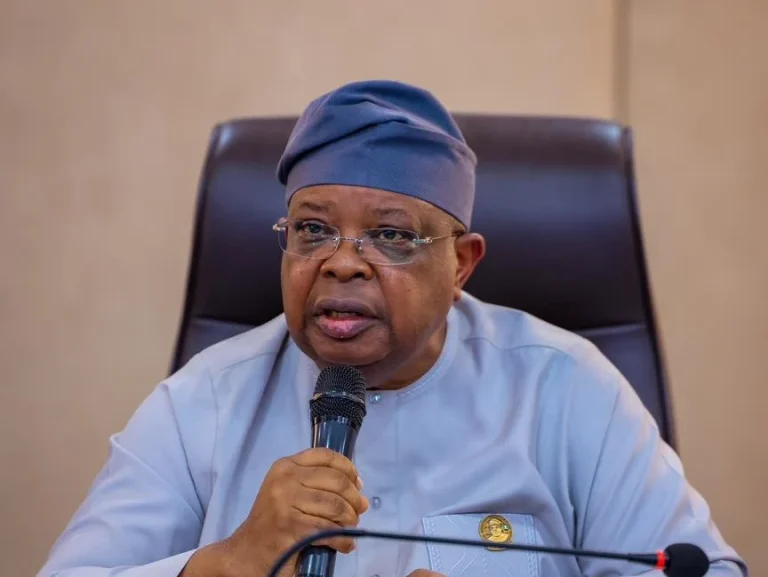
The Minister of Power, Joseph Tegbe, disclosed this position during a media briefing in Abuja to mark his first 100 days in office.
Tegbe said the government was focused on developing a commercially sustainable electricity market while ensuring that vulnerable consumers were protected.
The expected subsidy comes after the government incurred N1.93tn in electricity subsidy obligations in 2025, according to the Nigerian Electricity Regulatory Commission’s annual report.
NERC said the amount represented 57.44 per cent of the total invoice issued by the Nigerian Bulk Electricity Trading company during the year, averaging about N160.69bn each month.
Under the current arrangement, the government covers the difference between the cost-reflective electricity tariff and the lower rates approved for consumers.
The subsidy applies mainly to customers on tariff bands below cost-reflective levels, while Band A consumers pay tariffs designed to reflect the cost of supplying electricity.
The subsidy burden has remained a major issue in the power sector, with electricity generation companies also raising concerns over unpaid bills and accumulating liabilities.
The Association of Power Generation Companies previously warned that additional debts could rise above N7tn despite the Federal Government’s proposed N4tn debt reduction programme.
APGC Chief Executive, Joy Ogaji, said settling existing obligations through bonds would not by itself resolve the sector’s liquidity problems if new debts continue to accumulate.
She called for the government to determine the amount of subsidy it can afford and make clear budgetary provisions for it.
Tegbe said the government was also working to tackle other challenges affecting the electricity value chain, including sector debts, revenue leakages, inadequate metering and infrastructure limitations.
According to the minister, gas shortages caused by damaged pipelines and commercial difficulties have affected power generation, while ageing equipment and delayed maintenance have also limited available capacity.
He added that poor payment performance across the sector had affected generation companies, which were receiving only about 27 per cent of the bills owed to them.
Transmission infrastructure, he said, was also being affected by vandalism, overloaded equipment and repeated system failures.
The government’s decision to maintain existing tariffs means it will continue to shoulder a significant share of electricity supply costs while efforts continue to improve revenue collection, gas availability, infrastructure and overall sector efficiency.