Fuel prices in Nigeria are gradually easing following a sharp decline in international crude oil prices triggered by the easing of tensions in the Middle East.
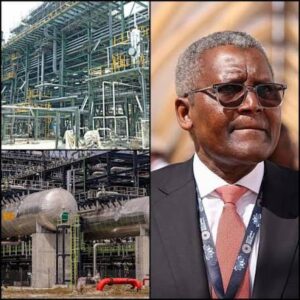
Recent reductions announced by the Dangote Petroleum Refinery have sparked expectations of lower petrol and diesel costs across the country. Industry stakeholders, however, say consumers may need to wait a little longer before seeing substantial reductions at filling stations.
The Independent Petroleum Marketers Association of Nigeria (IPMAN) explained that fuel price adjustments are likely to happen gradually to protect marketers who still hold stocks purchased at higher prices during the recent surge in crude oil costs.
According to IPMAN’s National Publicity Secretary, Chinedu Ukadike, a sudden and significant drop in fuel prices could expose marketers to heavy financial losses.
He noted that the refinery is expected to align prices with prevailing market realities while taking into account refining costs and the need to maintain stability within the downstream sector.
Global oil prices climbed sharply during the recent conflict involving the United States and Iran, reaching around $120 per barrel. However, prices have since retreated to about $78 per barrel after diplomatic efforts led to a ceasefire agreement.
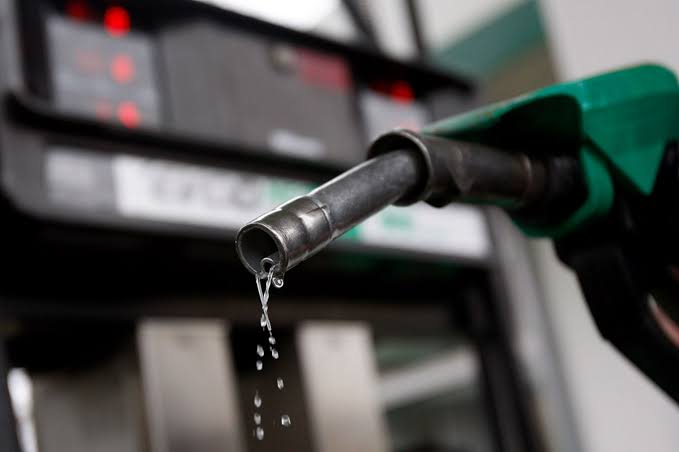
In response to the lower crude oil prices, Dangote Refinery recently reduced its petrol loading price by N75 per litre, bringing it down from N1,250 to N1,175 per litre. The refinery also cut diesel and aviation fuel prices by N100 per litre each.
Industry analysts say the reductions reflect improving conditions in the global oil market, although some consumers have argued that pump prices should have fallen more significantly considering the scale of the crude oil price decline.
Ukadike stated that the planned reopening of the Strait of Hormuz has further boosted confidence in the market and could support additional reductions in fuel prices over the coming weeks.
A source familiar with operations at the Dangote Refinery said the company is still processing crude oil acquired when prices were significantly higher, making it difficult to implement more aggressive price cuts immediately.
The source added that fuel prices could continue to decline as lower-cost crude gradually enters the refining process.
Data from petroleum market trackers showed that some private depot operators have also begun lowering their prices to remain competitive. Several depots adjusted petrol prices to around N1,180 per litre after the refinery’s latest reduction.
Despite these developments, many retail outlets across the country have yet to revise their pump prices, with some stations still selling petrol at around N1,280 per litre. Marketers attributed the delay to existing inventories purchased at previous rates.
Nevertheless, a number of filling stations have already reduced pump prices slightly, while industry players expect broader adjustments to take place in the coming days as cheaper products move through the supply chain.
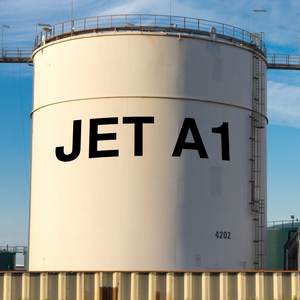
The latest price reductions also affected aviation fuel and diesel. Market data showed that diesel loading prices at the Dangote Refinery fell from N1,700 to N1,600 per litre, while aviation fuel declined from N1,550 to N1,450 per litre.
Private depot operators have also started trimming prices, signalling increased competition and a gradual return to normal market conditions after weeks of volatility.