Several environmental organisations have filed a lawsuit against TotalEnergies in a French civil court over the company’s planned divestment of its onshore oil interests in Nigeria, arguing that environmental risks linked to the asset must be properly addressed before the sale is completed.
The case was brought by a coalition of non-governmental organisations, including Friends of the Earth France, which is seeking access to environmental documents related to the transaction. The groups want to examine the environmental management plans attached to the proposed sale to determine whether they meet the requirements of France’s corporate duty of vigilance law.
The French legislation requires large companies to identify and prevent environmental and human rights risks associated with their operations and business activities.
TotalEnergies announced in January that it would sell its 10 per cent stake in the onshore oil asset, formerly operated by Shell Petroleum Development Company and now known as Renaissance, to Nigerian energy company Vaaris. However, the transaction is still awaiting approval from the Nigerian Upstream Petroleum Regulatory Commission.
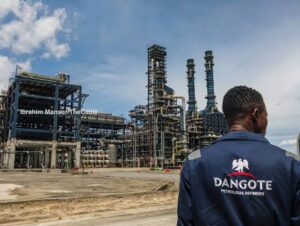
The oil asset has experienced numerous oil spills over the years, caused by crude theft, pipeline vandalism and operational failures. These incidents have resulted in environmental pollution, costly clean-up efforts and multiple legal disputes involving international oil companies operating in the Niger Delta.
According to the organisations behind the lawsuit, the environmental obligations associated with the asset should be clearly addressed before ownership changes hands. They argue that reviewing the environmental plans will help determine whether additional measures are required to protect affected communities and ecosystems.
If the documents reveal shortcomings, the groups say they could pursue a separate legal action asking the French court to compel TotalEnergies to take further remedial steps before completing the sale.
Neither TotalEnergies, Vaaris nor the Nigerian Upstream Petroleum Regulatory Commission had publicly responded to the lawsuit at the time of reporting.
Speaking during the company’s annual shareholders’ meeting in May, TotalEnergies Chief Executive Officer Patrick Pouyanné said persistent oil theft was a major factor behind the company’s decision to exit the asset. He argued that widespread pipeline vandalism had made operations increasingly difficult.
Pouyanné also maintained that while TotalEnergies had addressed pollution incidents that occurred during its ownership, responsibility for any future environmental issues would lie with the new operator once the transaction is concluded.
Before granting approval for the sale, Nigerian regulators are expected to assess whether Vaaris has the financial and technical capacity to operate the asset safely while meeting environmental obligations.
Environmental groups have questioned whether the company has sufficient resources to manage the asset responsibly, noting that previous oil asset divestments in Nigeria have drawn criticism for lacking comprehensive environmental remediation plans.
The Renaissance joint venture is jointly owned by TotalEnergies, Eni and Renaissance Africa Energy, which together hold a 45 per cent interest, while the Nigerian National Petroleum Company owns the remaining 55 per cent stake.