The Federal Government has not officially responded to growing calls for a reduction in petrol prices despite a sharp decline in global crude oil prices.
International benchmark crude prices have fallen significantly in recent days, with Brent crude trading around $71 per barrel and West Texas Intermediate hovering near $69 per barrel following the easing of tensions in the Middle East. The current prices are close to levels recorded before the recent conflict involving Iran, Israel and the United States pushed oil prices higher.
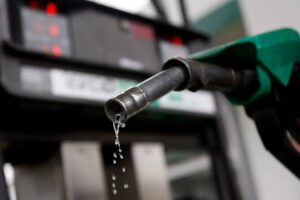
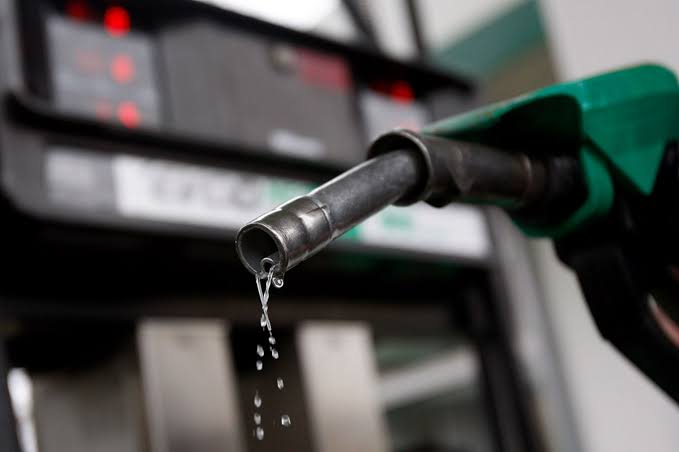
The earlier spike in crude prices led to higher fuel costs across Nigeria, with petrol prices rising from about ₦800–₦900 per litre before the crisis to as much as ₦1,400 per litre. Prices have since eased slightly, with many filling stations in Abuja selling between ₦1,241 and ₦1,305 per litre.
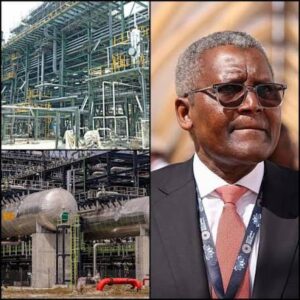
Although the Dangote Refinery has reduced its ex-depot petrol price twice within the past two weeks—bringing it down to ₦1,125 per litre after successive cuts—many Nigerians say pump prices should fall further. Several groups have urged marketers to lower the retail price below ₦1,000 per litre, arguing that crude oil has returned to pre-conflict levels.
An energy economist, Professor Wumi Iledare, noted that declines in crude oil prices do not always lead to immediate reductions in the prices of refined petroleum products. According to him, fuel prices often adjust more slowly due to market factors and pricing dynamics.
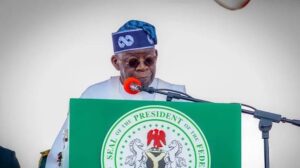
Despite increasing public pressure, President Bola Tinubu, who also serves as the Minister of Petroleum Resources, has not publicly commented on the demand for lower fuel prices. Other key agencies and officials in the petroleum sector have also remained silent on the issue.
The debate comes as Nigerians continue to grapple with the high cost of living, with elevated energy prices remaining a major contributor to inflation, which stood at 15.93 per cent in May 2026.