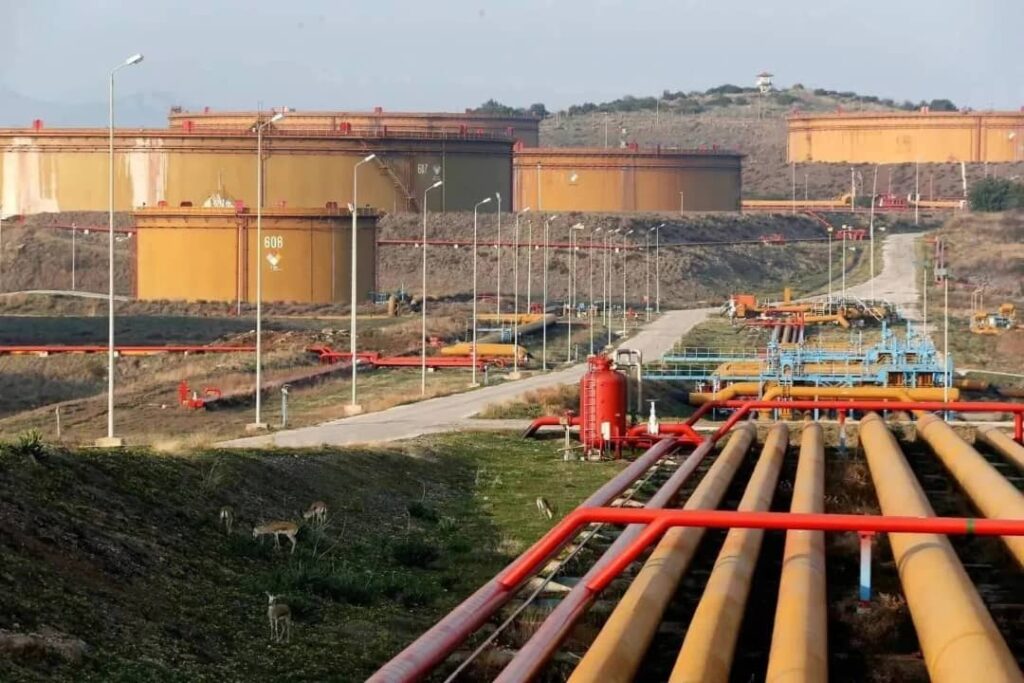
The East African Crude Oil Pipeline (EACOP) has surpassed 90 percent completion, marking a major milestone for the cross-border energy project linking Uganda and Tanzania and bringing Uganda closer to exporting crude oil to international markets for the first time.
According to the project’s latest progress update, construction is now in its final phase, with teams focusing on completing the remaining facilities, integrating operational systems and carrying out commissioning activities ahead of commercial operations.
The 1,443-kilometre heated pipeline will transport crude oil from Uganda’s Tilenga and Kingfisher oilfields in Hoima to the Tanzanian port of Tanga on the Indian Ocean. Once operational, it is expected to carry up to 246,000 barrels of crude oil per day, providing Uganda with its first crude oil export route.
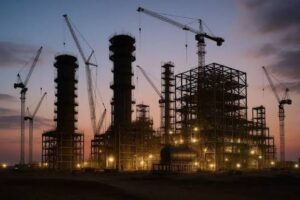
Construction is progressing across both Uganda and Tanzania, with work now centred on installing electrical, instrumentation and telecommunications systems, as well as testing key infrastructure needed for safe operations.
The project includes six pumping stations, two pressure reduction stations, a marine export terminal at Tanga Port and a fibre-optic communications network to support pipeline operations.
EACOP is jointly owned by TotalEnergies, the Uganda National Oil Company, the Tanzania Petroleum Development Corporation and the China National Offshore Oil Corporation.
Project developers say the pipeline has created thousands of direct and indirect jobs while providing opportunities for local businesses in engineering, transport, logistics, hospitality and other support services. They added that local content programmes are helping businesses and workers build skills for the oil and gas industry.
The company also said it continues to invest in community programmes covering education, healthcare, clean water access, environmental conservation and livelihood restoration for communities affected by the project.
Uganda expects the pipeline to attract investment, boost export earnings and support economic growth across sectors including manufacturing, engineering, transport, logistics and financial services once commercial oil production begins.
Despite the progress, the project continues to face criticism from environmental organisations, which argue it could harm ecosystems and contribute to climate change. EACOP says it is implementing internationally recognised environmental, social and governance standards while working with regulators in Uganda and Tanzania to comply with national laws and protect affected communities.