Nigeria is attracting renewed investment in its offshore oil industry as international energy companies expand deepwater projects, while the government pushes reforms aimed at strengthening crude production, refining capacity and natural gas development.
Energy giants Shell and ExxonMobil are advancing major offshore developments expected to add significant production over the coming years, marking a shift from years of reduced investment in Nigeria’s onshore oil sector.
Shell has approved the development of the Bonga North project, which is expected to produce up to 110,000 barrels of oil per day at peak output once production begins later this decade. The company is also working to move the long-delayed Bonga South West project toward a final investment decision.
ExxonMobil is equally progressing plans for several deepwater assets, including the Usan, Owowo and Bosi fields, with potential investments worth billions of dollars if the projects receive final approval.
The renewed offshore focus comes as companies seek to avoid the security and operational challenges that have affected onshore production, including crude theft, pipeline vandalism and sabotage.
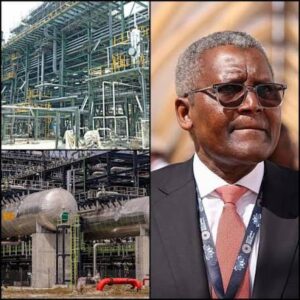
Nigeria is also seeking to strengthen its position in refining through the 650,000-barrel-per-day Dangote Refinery, which has transformed the country’s fuel supply by reducing dependence on imported petroleum products and expanding exports to other African markets.
The refinery is reportedly preparing for a public listing that could raise about $4 billion at an estimated valuation of $40 billion. If completed, the offering would rank among the largest initial public offerings ever seen in Africa. However, Nigeria’s Securities and Exchange Commission has stated that no official application has yet been approved.
Despite the refinery’s growing importance, securing enough locally produced crude remains a challenge. Supply constraints have forced the plant to import crude from countries including Libya and the United Arab Emirates to maintain operations.
Beyond oil production, the Federal Government is promoting natural gas as a key driver of industrial growth and future export earnings. Major infrastructure projects, including the Ajaokuta-Kaduna-Kano gas pipeline and the Obiafu-Obrikom-Oben pipeline, are expected to improve domestic gas distribution and support future regional exports.
To support indigenous participation in the industry, Shell has partnered with nine Nigerian banks on a $3 billion financing programme for local oil and gas contractors. Meanwhile, the Nigerian Content Development and Monitoring Board is training more than 10,000 workers to meet the manpower needs of upcoming upstream projects.
Government data indicates local participation in the oil and gas sector has risen from less than five per cent before the implementation of the Nigerian Oil and Gas Industry Content Development Act in 2010 to more than 61 per cent, supported by over $20 billion in domestic investment.
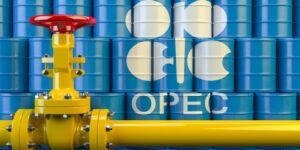
Nigeria has also strengthened its international energy ties by becoming the first member of OPEC to join the International Energy Agency as an associate member, a move expected to provide greater access to market intelligence, technical expertise and policy support as the country continues reforms across its energy sector.
The government is expected to launch a new upstream licensing round in the third quarter of the year as part of efforts to attract additional investment and increase crude oil production.