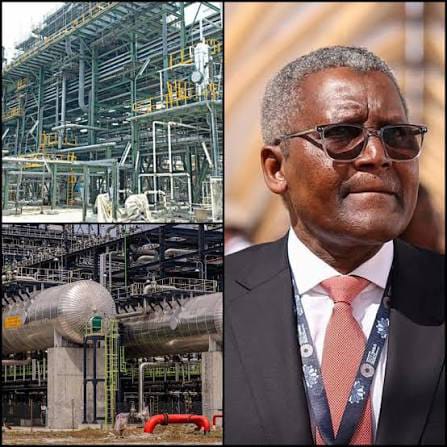
The Dangote Petroleum Refinery has helped shield Nigeria from the impact of rising global fuel prices by maintaining competitive domestic petrol prices despite mounting international market pressures, according to S&P Global Commodity Insights.
In its latest market assessment, S&P said the refinery’s pricing strategy has reduced the effect of higher global gasoline prices, increased freight charges and tighter fuel supplies, which have raised the cost of importing petroleum products into West Africa.
The report noted that fuel importers are finding it increasingly difficult to compete in Nigeria because Dangote Refinery has kept its prices below prevailing international replacement costs. Traders told S&P that the refinery’s prices have effectively become the benchmark for the Nigerian market, making it difficult for importers to pass higher costs on to consumers.
S&P also reported that the cost of transporting clean petroleum products from Northwest Europe to West Africa has increased sharply in recent weeks as vessels were redirected to other markets. At the same time, tighter diesel supplies have further pushed up import costs across the region.
Despite these global pressures, Dangote Refinery has continued to reduce the ex-depot prices of petrol, diesel and aviation fuel in recent weeks. The company has maintained that its pricing reflects the actual cost of crude oil purchased under commercial supply agreements rather than daily fluctuations in international oil prices.
Industry analysts said the latest market trends highlight the importance of local refining in protecting Nigeria from external supply disruptions and reducing dependence on imported fuel. They added that the refinery is playing a growing role in stabilising fuel prices across West Africa while helping Nigeria conserve foreign exchange and improve energy security.