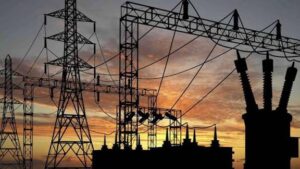
Germany has introduced a new initiative aimed at helping Nigeria cut the estimated $1.5 billion it loses each year from gas flaring by converting the wasted gas into productive economic use.
The programme, unveiled during the Nigeria Oil and Gas Conference in Abuja, is expected to support Nigeria’s energy transition efforts, lower greenhouse gas emissions and expand opportunities for industrial development.
German Ambassador to Nigeria, Annett Günther, said the project, funded by the German Foreign Office, will examine practical ways to capture gas that is currently flared and channel it towards household energy supply, industrial applications and hydrogen production.
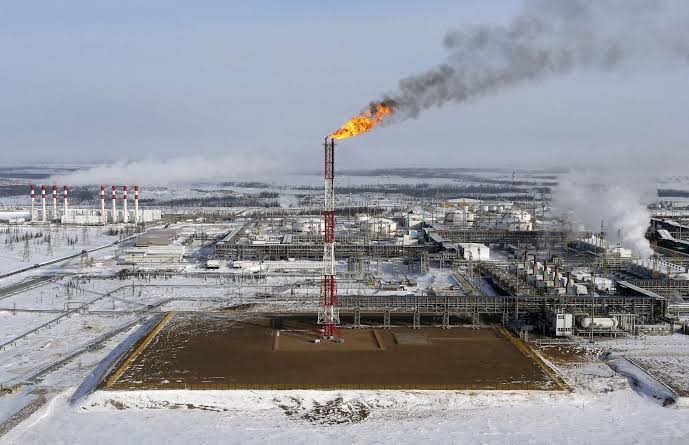
She noted that Nigeria remains among the world’s largest gas-flaring nations, with about 5.3 billion cubic metres of gas flared in 2024, resulting in an estimated economic loss of $1.5 billion.
According to Günther, the initiative is part of the broader energy partnership between Germany and Nigeria, which focuses on supporting the country’s Energy Transition Plan. Areas of cooperation include low-carbon electricity generation, natural gas infrastructure, hydrogen development and climate action.
She said both countries share ambitions to reduce carbon emissions, with Nigeria targeting net-zero emissions by 2060, while Germany aims to achieve the same goal by 2045.
The ambassador also highlighted the importance of strengthening bilateral energy cooperation amid changing global energy markets and growing efforts by countries to diversify energy sources.
As part of the partnership, Germany is supporting workforce development in Nigeria’s energy sector. Günther disclosed that a programme implemented by GIZ, in collaboration with Siemens Energy and the European Union, has commenced training 6,000 Nigerian energy professionals, particularly for off-grid energy projects.
She explained that developing a skilled workforce is essential to complement investments in power infrastructure and ensure the long-term growth of Nigeria’s energy industry.
Günther further said both countries have established a framework to deepen collaboration on energy transition, climate finance, technology transfer and renewable energy investments. She added that Nigeria and Germany jointly lead the Green Guarantee Group, a platform designed to mobilise financing for green energy projects.
She noted that Germany’s Hydrogen Office in Nigeria will continue providing technical support, policy engagement and knowledge sharing to advance the country’s hydrogen industry and broader clean energy objectives.