Nigeria’s electricity supply could face prolonged disruptions as unpaid gas debts exceeding N639 billion continue to threaten fuel deliveries to thermal power plants, industry stakeholders have warned.
The growing financial obligations, alongside inadequate investment in gas production and weaknesses in electricity transmission infrastructure, are undermining efforts to improve power generation across the country.
The concerns were raised at the sixth annual conference of the Power Correspondents Association of Nigeria in Abuja, where industry experts identified persistent funding challenges as major obstacles to achieving reliable and affordable electricity.
General Manager, Gas Commercial at the Nigerian National Petroleum Development Company, Bashiru Adoke, said the inability of electricity market operators to meet payment obligations to gas suppliers was affecting the sustainability of gas supply to power plants.
He explained that generating companies receive only a fraction of the revenue owed to them for electricity supplied, making it difficult to settle their gas bills.
According to Adoke, gas accounts for between 60 and 75 per cent of electricity generation costs, while payments received for generated power cover only about 40 per cent of the amount invoiced.
He warned that the outstanding debt had exceeded N630 billion and called for a sustainable payment framework to prevent further accumulation of liabilities.
Adoke noted that government interventions targeting historical debts would have limited impact if new unpaid obligations continued to build up.
He specifically questioned the handling of debts accumulated from 2025, despite ongoing efforts to settle outstanding liabilities covering the 2015–2025 period.
Beyond the payment crisis, he called for increased investment in non-associated gas production to strengthen supply reliability.
He explained that depending heavily on associated gas, which is produced alongside crude oil, exposes the power sector to supply disruptions whenever crude oil production declines.
Although the Federal Government has introduced incentives through executive orders to encourage investment in gas development, he maintained that additional capital was required to expand production.
Adoke also warned that persistently high electricity tariffs could encourage more consumers to abandon the national grid in favour of solar energy and other independent power solutions.
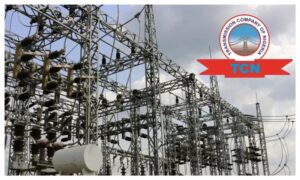
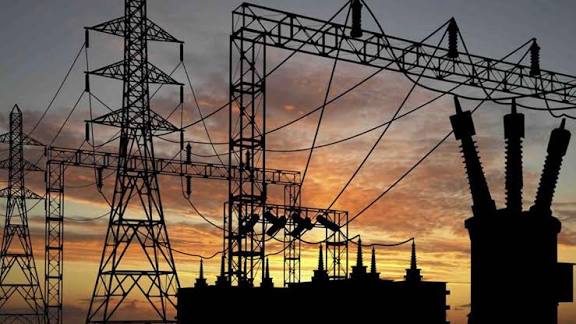
Meanwhile, General Manager, Engineering at the Transmission Company of Nigeria, Mojeed Akintola, identified inadequate electricity generation as a major limitation to the country’s transmission capacity.
He explained that TCN could only transmit the volume of electricity produced by generating companies, regardless of the capacity of its existing infrastructure.
Akintola said the company was expanding its transmission network through the installation of additional transformers and construction of new power lines.
However, he identified vandalism and disputes over rights of way as major challenges delaying infrastructure projects.
The stakeholders’ concerns come amid recent electricity supply disruptions across Nigeria. On November 5, the Nigerian Independent System Operator attributed reduced grid generation to insufficient gas supply to thermal power stations and lower water inflows into hydroelectric reservoirs.
The Nigerian National Petroleum Company Limited subsequently maintained that its gas transportation network remained available, noting that gas production, commercial supply arrangements and actual deliveries to power plants were separate issues requiring examination.
The industry experts warned that without a sustainable gas payment system, increased investment and improvements to transmission infrastructure, Nigeria’s electricity supply challenges could persist, undermining the country’s economic growth ambitions.