Electricity shortages continue to affect Lagos, Abuja and other parts of Nigeria, despite the Federal Government’s assurance that supply would improve within 72 hours, as disagreements between major energy sector stakeholders deepen over the cause of the crisis.
The prolonged blackout has increased the burden on households and businesses, with consumers facing rising fuel prices and persistent heat while relying on generators and other alternative power sources.
Minister of Power, Olasunkanmi Tegbe, had last Friday promised a gradual improvement in electricity supply, explaining that some generating units were expected to return to operation within 48 to 72 hours.
However, the Nigerian National Petroleum Company Limited (NNPC) has challenged explanations by the Nigerian Independent System Operator (NISO) that inadequate gas supply was contributing to the decline in electricity generation.
NISO had earlier identified limited gas availability to thermal power stations and reduced water inflows into hydroelectric reservoirs as major factors affecting power generation.
The Minister of Power also attributed the situation to scheduled maintenance at Egbin Power Station, which contributes approximately 16 per cent of electricity to the national grid, alongside gas constraints and reported sabotage of transmission infrastructure.
He explained that the combined challenges had forced grid operators to introduce load shedding in some areas to manage the limited electricity available.
However, NNPC, through its Chief Corporate Communications Officer, Andy Odeh, maintained that its gas transportation network remained operational and capable of supporting deliveries to power plants across the country.
The company said records from its subsidiary, NNPC Gas Infrastructure Company Limited (NGIC), showed no transportation-related constraints that could explain the decline in electricity generation.
Odeh also disclosed that gas production had increased by about 10 per cent year-to-date in 2026, insisting that the availability of gas transportation infrastructure should not be confused with production levels, commercial agreements or actual deliveries to power stations.
The disagreement has also involved the Transmission Company of Nigeria (TCN), which rejected Ikeja Electric’s claim that instability on the national grid was responsible for recent power interruptions.
TCN maintained that it could only transmit electricity generated and made available to the grid, arguing that inadequate generation, rather than transmission failure, was responsible for the supply shortfall.
Energy experts have expressed concern over the continued disagreements, describing them as evidence of deeper structural and financial challenges within Nigeria’s electricity industry.
An energy expert, Rasheed Adeleke, criticised the repeated disputes over gas availability, noting that Nigeria’s substantial natural gas reserves should support a more reliable electricity supply.
He argued that poor coordination and failure to adhere to established industry regulations had contributed to recurring power disruptions.
Adeleke described the situation as unfortunate, warning that the continued transfer of blame among institutions would only prolong unreliable electricity supply.
Meanwhile, Senior Technical Adviser on Upstream and Gas, Gbite Adeniji, identified the electricity sector’s financial challenges as another major obstacle to improving power generation.
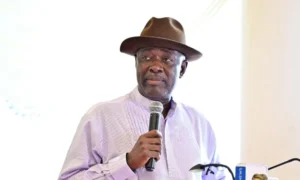
Speaking at a recent Harvard Business School Association of Nigeria energy conference in Lagos, Adeniji said unpaid debts to gas suppliers had affected their ability to deliver the fuel required by power plants.
He called on the Federal Government to settle outstanding obligations and provide the Nigerian Bulk Electricity Trading Company (NBET) with credible financial backing to improve liquidity across the electricity value chain.
Similarly, the Chief Executive Officer of the Association of Power Generation Companies, Joy Ogaji, disclosed that the government owed generation companies approximately N6.8 trillion, while gas suppliers were owed about N3.3 trillion.
The mounting debts, operational challenges and disagreements among industry players continue to raise concerns about the reliability of Nigeria’s electricity supply.