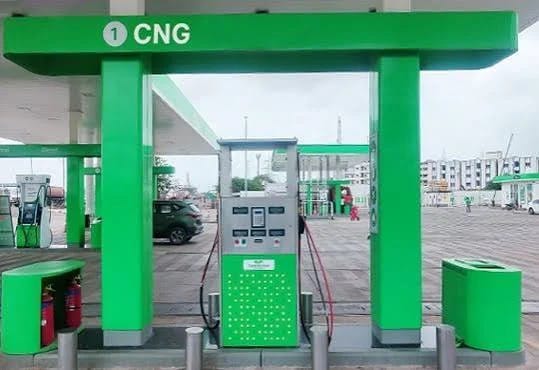
Stakeholders in Nigeria’s automotive industry have raised concerns over safety challenges that could slow the country’s transition to Compressed Natural Gas (CNG) and Electric Vehicles (EVs), urging stronger regulation and enforcement.
The concerns were raised at the third Nigeria Auto Industry Summit in Lagos, organised by the Nigeria Auto Journalists Association in collaboration with the National Automotive Design and Development Council.
The Standards Organisation of Nigeria (SON) warned that weak enforcement of standards, the use of uncertified products and poor installation practices could increase safety risks and discourage investment in the emerging clean mobility sector.
The agency also expressed concern over the growing number of informal vehicle conversion centres and the influx of uncertified CNG cylinders and conversion kits, noting that regulatory oversight has struggled to keep pace with the market.
SON said Nigeria also needs to strengthen standards for electric vehicle batteries, charging systems, battery recycling and other emerging technologies, while investing in modern testing facilities and technical expertise.
Despite the challenges, the agency maintained that certified CNG and EV systems are safe when installed and maintained in line with approved standards, urging Nigerians to patronise only certified products and qualified installers.
The Federal Road Safety Corps (FRSC) disclosed that it is developing Standard Operating Procedures for the deployment and regulation of CNG-powered and electric vehicles to ensure safe adoption and align Nigeria with global best practices.
According to the FRSC, the agency is collaborating with relevant government institutions and industry players to strengthen safety regulations and support the country’s transition to cleaner transportation.
Speaking at the summit, Chairman of the Nigeria Auto Journalists Association, Theodore Opara, said Nigeria must keep pace with the global shift to cleaner mobility to remain competitive and benefit from opportunities in the evolving automotive industry.