Africa is expected to account for 20% of global liquefied natural gas (LNG) growth by 2030, with Nigeria playing a leading role, according to energy research firm Rystad Energy.
The continent is set to contribute around 93 million tons per annum (Mtpa) to global LNG capacity, which is projected to rise from 486 Mtpa to 755 Mtpa over the next five years.Nigeria, already the biggest LNG producer in Africa, is expected to lead this growth.
However, the country is facing serious production challenges. Its LNG liquefaction rates have dropped from 90% in 2018 to just 60% in 2024 due to issues like pipeline vandalism and oil theft.
“Nigeria has consistently ranked among the top LNG producers globally,” said Antonia Syn, a commodity markets analyst at Rystad. “But ongoing disruptions make it hard for the country to reach its full potential.”
West Africa currently produces over half of Sub-Saharan Africa’s LNG, and Nigeria is responsible for nearly two-thirds of that.
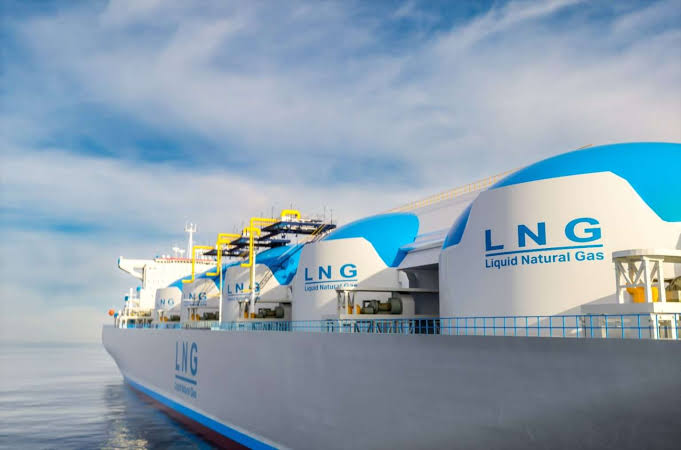
The region plans to boost its LNG output by 50% by 2030.Much of Africa’s future LNG growth may come from floating LNG (FLNG) projects, especially since about 65% of West Africa’s gas reserves are located offshore.
“These resources are ideal for FLNG technology, being less dependent on vulnerable pipeline infrastructure,” Rystad noted.
Despite the hurdles, Nigeria’s location and shipping advantages continue to make it an attractive LNG supplier for markets in Europe and Asia.
However, Rystad warns that without major improvements, Nigeria is unlikely to become one of the top five global exporters anytime soon.