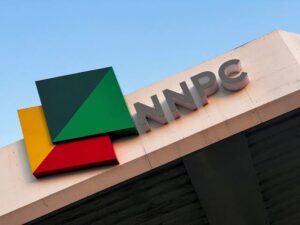

The Federal Government has yet to implement its proposed N1,350-per-litre petrol price at Nigerian National Petroleum Company Limited (NNPCL) filling stations, two weeks after the plan was announced by the Minister of Finance, Taiwo Oyedele.
The proposed price, unveiled on October 8, 2026, was intended to shield Nigerians from fluctuations in international oil prices without reinstating the fuel subsidy programme.
However, findings by DAILY POST at NNPCL outlets in Abuja and neighbouring areas showed that petrol was still selling for about N1,405 per litre as of Wednesday, October 22.
The price represents an increase from the previous rate of N1,370 per litre, despite the proposed reduction. Other filling stations in the area were reportedly selling petrol at prices ranging from N1,395 to N1,429 per litre.
The delay has raised concerns over when motorists will begin to benefit from the proposed price arrangement, which had attracted mixed reactions following its announcement.
Speaking on the development, the President of the Independent Petroleum Marketers Association of Nigeria, Abubakar Maigandi, said implementing the proposed price would have provided relief for consumers facing high fuel costs.
He expressed hope that the arrangement would be introduced and extended to independent petroleum marketers rather than being restricted to NNPCL outlets.
The debate comes more than three years after President Bola Tinubu announced the removal of petrol subsidies in May 2023, a decision that significantly changed fuel pricing in Nigeria.
Discussions about reducing petrol prices have also gained political attention ahead of the 2027 presidential election. African Democratic Congress presidential candidate Atiku Abubakar has pledged to lower fuel prices if elected.
Tinubu is expected to seek re-election in the January 16, 2027, presidential poll, alongside other candidates.
For now, motorists continue to pay prevailing pump prices while awaiting further action on the proposed N1,350-per-litre arrangement.