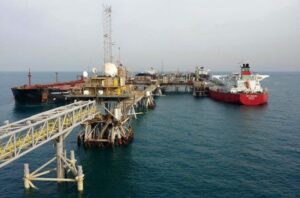
Iraq has suffered an estimated $60 billion in losses from the Middle East war, as restrictions on shipping through the Strait of Hormuz severely disrupted the country’s oil production and exports.
Foreign Minister Fuad Hussein disclosed the losses during a meeting with his Italian counterpart in Rome on Thursday, according to a statement from Iraq’s foreign ministry.
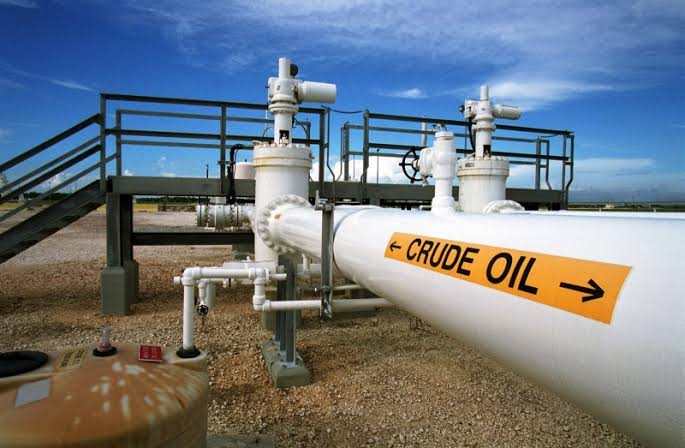
Before the conflict, Iraq produced approximately four million barrels of crude oil daily and exported about 3.5 million barrels, with most shipments passing through the Strait of Hormuz.
However, Iran’s blockade of the strategic waterway disrupted these shipments, forcing Iraq to cut production because of limited storage capacity. The country turned to alternative export routes through Syria and Turkey, using road transport and pipelines.
Oil exports have since shown some recovery. Iraq’s oil ministry reported that shipments reached 2.6 million barrels per day between September 1 and 21, following a significant decline during the conflict.
The disruption has also put pressure on Iraq’s wider economy. The country’s foreign currency reserves have fallen by $20 billion, while rising consumer prices have added to financial difficulties.
In response to the pressure on its finances, the Central Bank of Iraq devalued the dinar against the US dollar last week for the first time in more than three years.
Oil sales account for approximately 90 per cent of Iraq’s government revenue, making the country heavily dependent on crude exports to fund imports, support its currency and pay public sector workers and pensioners.
The crisis has renewed attention on Iraq’s efforts to reduce its dependence on oil. Authorities aim to increase non-oil revenue from about 10 per cent of total revenue to 45 per cent by 2037.