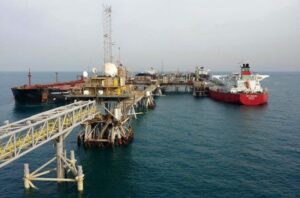
The Nigerian Upstream Petroleum Regulatory Commission has linked oil and gas fields awarded in the 2025 licensing round to existing production facilities to help operators begin production faster and reduce delays in bringing the assets online.
The commission said the arrangement would enable successful bidders to identify suitable infrastructure before starting operations, although they would still need to negotiate crude-handling agreements with the owners of the facilities.
The Chief Executive of NUPRC, Oritsemeyiwa Eyesan, disclosed this at the Nigeria Oil Refining Summit 2026 in Lagos, where she was represented by the commission’s Deputy Director, Boma Atiyegoba.
Eyesan said the initiative was designed to prepare infrastructure for new operators and support the government’s efforts to increase crude oil production.
She disclosed that Nigeria’s oil output currently averages about 1.7 million barrels per day, although production has reached 1.9 million barrels per day on some days. The commission, she said, is working to sustain higher output.
As part of the strategy, NUPRC is engaging oil companies to bring shut-in wells back into production. Eyesan said the commission could assist operators by addressing regulatory challenges, although it could not provide them with direct funding.
She also revealed that the regulator was developing plans to produce crude from Nigeria’s heavy oil deposits. A dedicated team has been established to examine possible strategies, with a workshop also being planned to advance the initiative.
Eyesan said increasing crude supply was essential as Nigeria’s refining capacity expands, noting that refineries require adequate feedstock to operate effectively.
The 2025 licensing round produced 31 successful companies awarded 37 oil and gas blocks, according to an earlier announcement by the commission. The assets are projected to add about 500 million barrels to Nigeria’s reserves and deliver at least 300,000 barrels per day of crude oil and condensate production within three years.
A total of 143 companies submitted 200 bids for 37 of the 50 blocks offered during the exercise. The blocks cover several areas, including the Niger Delta’s onshore, shallow-water and deep-offshore zones, as well as the Benin, Anambra, Chad and Benue Trough basins.
The commission said no bids were received for the remaining 13 blocks.
By connecting newly awarded assets to existing facilities and working to reopen inactive wells, NUPRC aims to increase production and improve crude availability for Nigeria’s expanding refining sector.