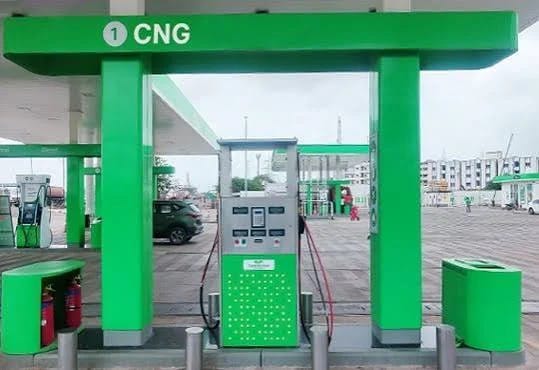
Motorists in Lagos, Ogun and other parts of Nigeria are spending hours at compressed natural gas (CNG) stations to refuel their vehicles, raising concerns about the effectiveness of efforts to reduce transportation costs.
The situation has created difficulties for commercial drivers who switched from petrol to CNG to cut operating expenses following the removal of the petrol subsidy.
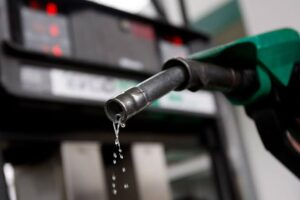
With petrol prices ranging between N1,350 and N1,400 per litre, CNG has become an alternative for transport operators seeking to reduce fuel costs. However, inadequate refuelling facilities and growing demand have resulted in long queues at several stations.
At the NIPCO CNG station in Ibafo, Ogun State, motorists reportedly arrive at night and wait for hours to refill their vehicle cylinders. The queues sometimes extend towards the Lagos-Ibadan Expressway, leaving only limited space for other motorists and contributing to traffic congestion.
Similar challenges have been reported at stations around Mowe and Ibafo, as well as facilities in Ilasamaja and along Ajegunle Road in Lagos.
The delays have also affected passengers, some of whom spend hours waiting for commercial buses to complete refuelling before continuing their journeys. Drivers, meanwhile, lose valuable working hours that could have been used to make additional trips and earn more income.
To avoid the long queues, some commercial motorists travel outside their usual operating areas to find stations with shorter waiting times.
A Danfo driver, Ade John, told The PUNCH that he often drives to Ogere and stations along the Sagamu-Ijebu-Ode road to refuel, explaining that the queues there are shorter than those at facilities around Lagos and Mowe-Ibafo.
The high cost of converting petrol-powered vehicles to CNG has also discouraged some drivers from making the switch. Commercial driver Tunde Alao disclosed that he spent N1.4 million converting his bus, describing the expense as a significant investment.
Other motorists have expressed concerns about the limited availability of refuelling stations along their routes and safety considerations associated with vehicle conversion.
The Federal Government had previously facilitated the conversion of thousands of commercial vehicles to CNG as part of its efforts to provide cheaper fuel alternatives and ease the impact of petrol subsidy removal. However, the expansion of converted vehicles has not been matched by a sufficient number of refuelling stations.
Consequently, the anticipated reduction in transport fares remains a concern, as drivers continue to contend with conversion expenses, long refuelling delays and high operating costs.
President Bola Tinubu recently reiterated his administration’s commitment to the National Affordable CNG Transit Programme, which aims to make transportation more affordable.
The initiative followed an agreement reached by the 36 state governors on August 27 to ensure Nigerians experience measurable reductions in transport costs.
An implementation committee was subsequently established under the Nigeria Governors’ Forum, chaired by Kwara State Governor AbdulRahman AbdulRazaq. The committee is working with the Presidential Initiative on Compressed Natural Gas and Electric Vehicles (PI-CNG & EV), state governments and other stakeholders to identify priority transport routes and develop appropriate interventions.
However, persistent queues at refuelling stations highlight the need for expanded CNG infrastructure to ensure motorists can access the alternative fuel more easily and Nigerians can benefit from lower transportation costs.