
Nigeria may fall short of its ambition to produce three million barrels of crude oil per day by 2030 unless it addresses equipment shortages, funding difficulties and gaps in technical expertise, the Petroleum Technology Association of Nigeria (PETAN) has warned.
PETAN Chairman, Wole Ogunsanya, said the country requires an estimated $6bn investment in oilfield equipment and hardware to expand production capacity.
Speaking in Lagos during a briefing on the state of the oil and gas industry, Ogunsanya explained that inadequate drilling equipment, insufficient pipelines and limited access to financing were restricting the sector’s ability to increase output.
He said Nigeria currently produces approximately 1.7 million barrels of oil daily, despite growing demand for crude from existing and planned domestic refineries.
According to him, the proposed expansion of Dangote Petroleum Refinery to 1.4 million barrels per day, BUA Group’s planned 350,000-barrel-per-day refinery and the rehabilitation of the Nigerian National Petroleum Company Limited’s refineries could raise the country’s potential refining capacity to about three million barrels per day.
However, he noted that Nigeria has never recorded production above 2.6 million barrels per day, highlighting the substantial investment needed to support higher output.
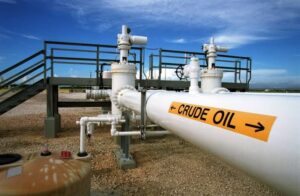
Ogunsanya said achieving the country’s production ambitions would require additional wells, surface production facilities and midstream pipelines to transport crude oil to refineries and export terminals.
He also identified the high cost of oilfield equipment as a major constraint for indigenous service companies. According to him, land drilling rigs cost between $30m and $40m, while swamp rigs range from $160m to $170m. Jack-up rigs can cost between $300m and $400m, depending on their specifications.
He called for innovative financing arrangements to help local oilfield service providers acquire the machinery required to support exploration and production activities, noting that stringent collateral requirements attached to conventional bank loans often limit access to funding.
The PETAN chairman urged the Nigerian Content Development and Monitoring Board to direct more resources from the Nigerian Content Development Fund towards oilfield equipment acquisition.
Beyond financing and infrastructure, Ogunsanya warned that a shortage of experienced personnel could further undermine efforts to increase production.
He said the transfer of onshore and shallow-water assets from international oil companies to indigenous operators had made workforce development increasingly important.
According to him, local exploration and production companies must establish stronger training programmes to equip younger Nigerians with the technical skills needed to manage oil and gas operations.
He noted that international oil companies had historically contributed to developing the country’s skilled workforce through specialised training and overseas assignments.
Ogunsanya maintained that Nigeria could achieve its production target if government and industry stakeholders addressed the equipment, financing and manpower challenges while maintaining investment despite fluctuations in global crude oil prices.
He added that expanding domestic refining capacity should encourage continued drilling because local refineries would still require crude oil supplies even when international prices decline.
He called for sustained investment and strategic planning to increase production, strengthen indigenous oilfield service companies and maximise the economic benefits of Nigeria’s petroleum resources.