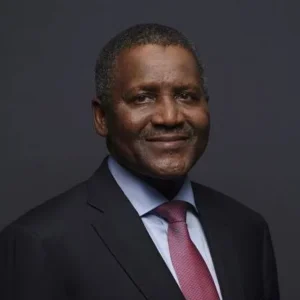

Uganda is seeking investment from Nigerian billionaire Aliko Dangote to develop major oil refining, fertiliser and salt production projects as the East African country intensifies efforts to expand its industrial sector.
The proposal was presented during a visit by a Ugandan government delegation to the Dangote Petroleum Refinery and Dangote Fertiliser Limited in Lagos.
The delegation was led by the Minister of Energy and Mineral Development, Dr Monica Musenero Masanza, and the Minister of State for Finance, Planning and Economic Development, Hajjat Amina Mukalazi.
A major part of the discussions centred on Uganda’s proposed 60,000-barrel-per-day oil refinery in the Hoima area. The government wants Dangote to take a leading role in the project, drawing on his experience in developing and operating large-scale industrial facilities.
Mukalazi said the refinery could serve inland markets and complement the Dangote Group’s proposed refinery project in Lamu, Kenya, which is expected to cater to coastal and maritime markets.
She acknowledged that the investment proposals would require further technical evaluation by Dangote’s team.
Beyond oil refining, Uganda identified opportunities in fertiliser blending, phosphate processing and salt manufacturing. The government said its deposits of crude oil and other minerals could support local production of fuel, fertilisers and chemicals.
Musenero explained that Uganda had the mineral resources needed for fertiliser production but had struggled to convert them into finished products. She said the visit was intended to learn from Dangote’s industrial experience and identify areas of practical cooperation.
The Ugandan government also promised to support potential investments by addressing regulatory and other challenges that could delay their implementation.
Receiving the delegation, Dangote Industries Limited’s Managing Director and Chief Executive Officer, David Bird, described Uganda as a country with significant natural resources and skilled manpower.
He said the presence of the two ministers reflected the government’s commitment to industrial development and its interest in building a partnership with the group.
The proposed projects are expected to create jobs, develop local skills and provide opportunities for businesses, particularly as Uganda seeks to reduce its reliance on imported finished products.