
The Nigerian Midstream and Downstream Petroleum Regulatory Authority (NMDPRA) has assured Nigeria LNG Limited (NLNG) of continued regulatory support as the company works to increase its annual production capacity from 22 million tonnes to approximately 30 million tonnes.
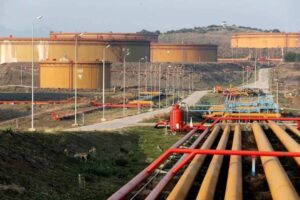
The expansion is expected to be achieved through the Train 7 project, which is nearing completion at NLNG’s facility on Bonny Island, Rivers State.
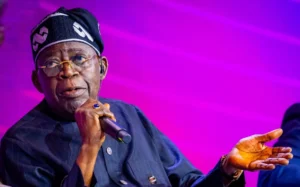
NMDPRA Chief Executive, Rabiu Umar, gave the assurance during his first visit to the NLNG plant, where he met with the company’s Managing Director and Chief Executive Officer, Adeleye Falade.
Umar said the engagement was intended to strengthen cooperation between the regulator and the company on operational safety, regulatory compliance, production reliability and investments needed to sustain Nigeria’s position in the global liquefied natural gas market.
He described NLNG as a responsible corporate organisation whose operations have contributed significantly to the Nigerian economy.
The NMDPRA chief executive said the authority would maintain effective regulation while ensuring that its decisions were timely and fair to investors in the gas industry.
He noted that early engagement with industry operators would help address regulatory concerns and create conditions that encourage investment, improve gas supply and support the country’s energy security.
Speaking during the visit, Falade said NLNG had remained a major player in Nigeria’s gas commercialisation since exporting its first LNG cargo in 1999.
He disclosed that the company currently operates six production trains with a combined installed capacity of 22 million tonnes per annum, while construction of Train 7 was 95 per cent complete.
Once operational, the new train is expected to raise NLNG’s annual production capacity to about 30 million tonnes, improving Nigeria’s ability to supply international markets and benefit from growing global demand for natural gas.
However, Falade identified inadequate feedgas supply and infrastructure limitations as major challenges that require continued investment and cooperation across the gas value chain.
He also revealed that NLNG channels all its liquefied petroleum gas (LPG) production to the Nigerian market, supporting domestic availability of the product and efforts to promote cleaner cooking fuels.
Falade stressed that a supportive regulatory framework would be critical to maintaining current operations and attracting the investments and partnerships needed to expand Nigeria’s gas industry.
He reaffirmed the company’s commitment to working with NMDPRA on safety, compliance, operational efficiency and the sustainable development of the country’s gas resources.