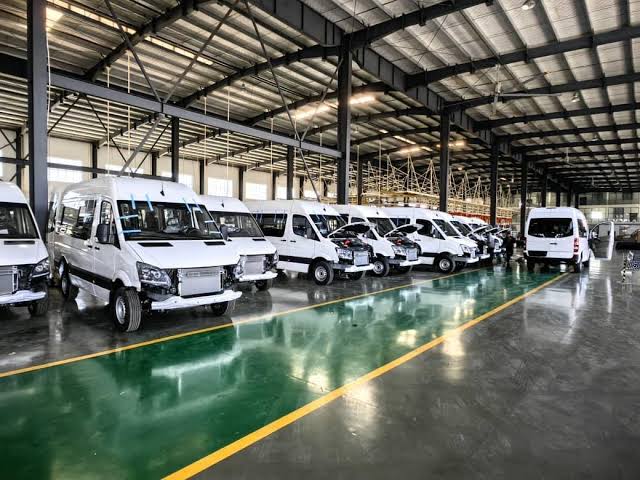
A panel of industry leaders is pushing for Nigeria to urgently transition to Compressed Natural Gas (CNG) as a cheaper and cleaner alternative to diesel fuel.
Speaking at the Global Transport Policy Roundtable in Lagos, experts warned that delaying this shift could worsen economic hardship for commuters and businesses, threatening national development.
Mr. Kumar, CEO of Greenwood LNG, highlighted the financial benefits, saying, “CNG slashes transport costs by up to 30%, with an added environmental benefit.
The price of diesel is hurting everyone—from transporters to market women. CNG is not just an energy option; it’s an economic imperative.”
The discussion, moderated by Ambassador Regina Robinson, also emphasized the need for a comprehensive overhaul of Nigeria’s transport system—integrating clean energy, digital technology, and multimodal infrastructure.
Maritime lawyer Bar. Oritsematosan Edodo-Emoro described Nigeria’s transport sector as “fragmented and outdated” and called for “a bold, coordinated overhaul” supported by smart policies and private sector participation.Industry leaders including Captain Giogior Enrico, CEO of Prime Next Logistics, and Adetayo Bamiduro, Executive Director of Max Drive, pointed to poor infrastructure and inconsistent policies as major obstacles.
They urged sustained investments in CNG-powered fleets and fueling stations along key routes, backed by enforceable regulations and incentives.Engr. Dr. Abimbola Akinajo, Managing Director of LAMATA, representing Lagos Governor Babajide Sanwo-Olu, presented Lagos as a model for sustainable transport reform. “We are pioneering a multimodal ecosystem—linking roads, rails, ferries, and walkways.
More importantly, we are advancing our clean energy transition by piloting electric and CNG-powered buses,” she said.Regional integration was also a key focus. Dr. Willie Eselebor, representing ECOWAS institutions, stressed the importance of aligning Nigeria’s transport reforms with cross-border trade along the Abidjan-Lagos Corridor, calling it “a critical artery for West Africa’s economy.”
Ambassador Aminou Akadiri of FEWACCI reinforced this, urging collaboration between chambers of commerce, private operators, and continental bodies to drive regional investments in sustainable mobility.
The consensus is clear: Nigeria’s transport future depends on clean energy adoption, policy coherence, and regional cooperation.