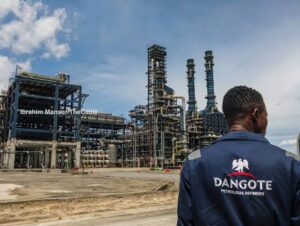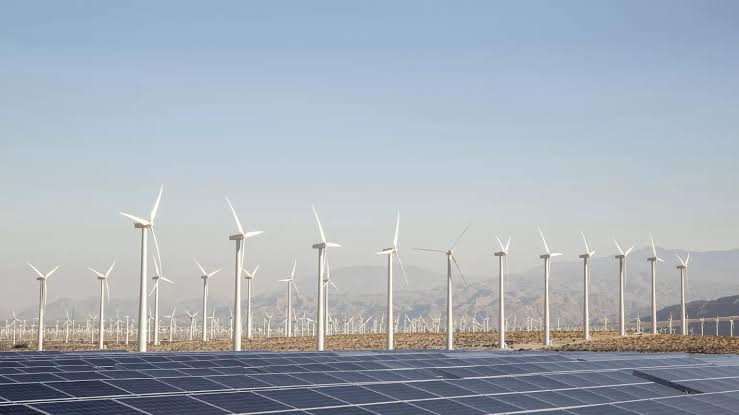
As Nigeria ramps up its renewable energy capabilities, a ripple effect is being felt far beyond its borders — opening employment doors for Nigerians in green economies across the globe.
According to the International Energy Agency (IEA), the global push toward clean energy has driven energy sector employment to nearly 67 million as of 2022, with clean energy jobs accounting for more than half. The U.S. alone added over 310,000 clean energy jobs recently, boosted by a 60 percent surge in clean energy deployment.
However, with the U.S. tightening immigration policies, many skilled Nigerians are now looking toward more welcoming markets. Eight countries — Italy, Switzerland, Belgium, Portugal, Greece, Spain, Germany, and the Netherlands — are not only leading in renewable energy generation but also offering job opportunities for foreign professionals.
Italy
Italy is creating jobs by shifting from coal to renewables. The country adds 5GW of renewable capacity annually. “Enhancing the transmission grid and establishing Italy as a Mediterranean gas hub will further stimulate employment,” the report stated.
Switzerland
With 95.84MW of renewable energy per 100,000 people, Switzerland is balancing hydropower and solar. “This transition is also expected to create jobs in areas like construction, engineering, and energy infrastructure,” according to the IEA.
Belgium
Belgium is investing in solar and offshore wind and collaborating with the UK and Ireland. “The expansion of solar energy infrastructure will require skilled labour in installation, maintenance, and manufacturing,” said Energy Minister Tinne Van der Straeten.
Portugal
Portugal, dubbed Euronews’ Green Country, has fast-tracked its 80 percent renewable energy target to 2026. Offshore wind, solar, and green hydrogen will need “technicians, engineers, and construction workers,” the report noted.
Greece
With €5 billion allocated to support communities moving away from coal, Greece is creating green jobs through its 6GW solar and 4GW wind capacities. “Greece can be a paradigm of how energy transition and climate action can create jobs and sustainable growth,” said Prime Minister Kyriakos Mitsotakis.
Spain
Spain now generates over 50% of its electricity from renewables. “The construction, operation, and maintenance of renewable energy installations will require skilled labour,” the report highlighted.
Germany
Germany’s Energiewende aims for 80% renewables by 2030. With 130GW already installed, Germany leads in solar output. “This transition will create numerous jobs in construction, engineering, and manufacturing,” the analysis noted.
The Netherlands
Leading Europe in solar output, the Netherlands has 23GW of solar capacity and 8GW from offshore wind. “We are busy creating the electricity network that is required for this,” said Manon van Beek, CEO of grid operator TenneT.
As global investment in renewables hit a historic $1.7 trillion, the future for Nigerian renewable energy professionals looks brighter — especially in countries eager to attract foreign talent for their green revolutions.