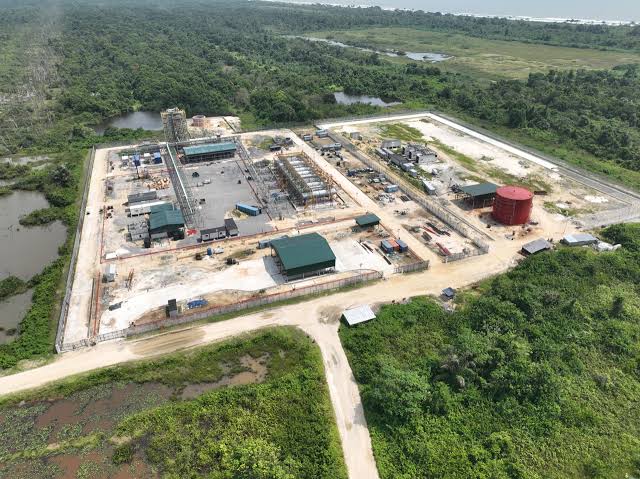
The Petroleum Products Retail Outlets Association of Nigeria (PETROAN) has urged the federal government to reserve three million barrels of crude oil exclusively for indigenous refineries to boost local production and reduce dependence on fuel imports.
Dr. Billy Gillis-Harry, National President of PETROAN, made the appeal while highlighting the persistent lack of crude access for local refiners. He said a dedicated crude reserve would support the growing number of refineries springing up across the country.
“We appeal that there should be a very special crude oil production plan for the local refineries,” Gillis-Harry said. “With the number of refineries coming up in Nigeria, and hopefully with NNPCL working hard to make their refineries work, Nigeria should be a refining hub.”
He challenged the Nigerian National Petroleum Company Limited (NNPCL) to become more transparent and rebuild public trust.
“NNPCL has created that kind of environment where it’s now difficult for the public to trust them with anything,” he said. “It will be in the best interest, not just of the management, but of Nigeria, that that mindset should be changed.”
He expressed confidence in the new leadership of NNPCL, led by Bayo Ojulari and Mr. Kida, both of whom come from reputable private-sector backgrounds—Shell and Total respectively.
“They should bring that experience to bear on how the Nigerian oil industry should be,” he added. “NNPCL should rise up from the doldrums and raise its head up and say, for so many years we didn’t do it right, but now we want to do it right.”
Gillis-Harry reiterated industry demands for increased crude production, improved host community relations, and above all, full transparency in operations.
“Our demand is simple,” he said. “Transparency should be key. The production of crude oil should be increased. And we must ensure the host communities of the Niger Delta are friendly, to encourage businesses to come in.”
He also backed the wave of divestments in the sector, saying indigenous companies are capable of taking the lead without disruptions.