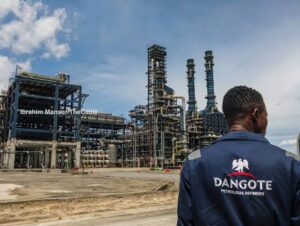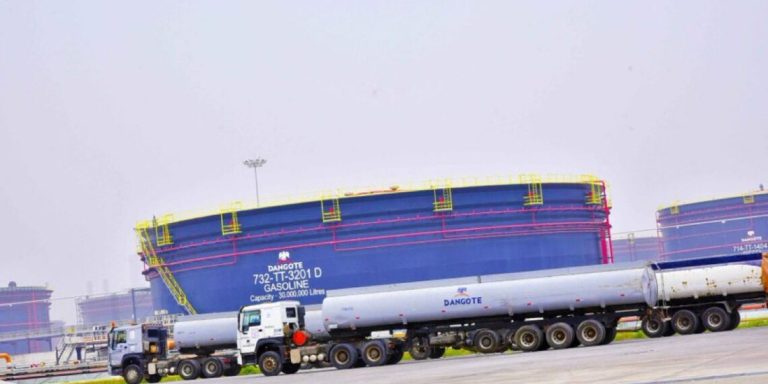
The Independent Petroleum Marketers Association of Nigeria (IPMAN), Rivers State chapter, has thrown its weight behind Dangote Petroleum Refinery’s new direct distribution model for Premium Motor Spirit (PMS), calling it a game-changer for the nation’s downstream sector.
The association believes that the strategy — which kicks off on August 15 — will address long-standing issues such as fuel scarcity, rising transportation costs, and supply inconsistencies.
Speaking with the News Agency of Nigeria (NAN), IPMAN Chairman Mr. Tekena Ikpaki described the initiative as “a bold move that will reshape Nigeria’s fuel supply chain.”
“We believe that such a multi-source supply model is essential to building a robust, competitive, and fair petroleum distribution ecosystem,” Ikpaki said.
He noted that Dangote’s investment in 4,000 CNG-powered trucks is a major step towards solving the sector’s logistics headaches and will help deliver fuel more efficiently across the country.
“More supply options mean greater flexibility for marketers, better pricing mechanisms, and ultimately, more stability for Nigerian consumers at the pump,” he added.
Ikpaki also urged for continued regulatory oversight to ensure all marketers — regardless of size — benefit fairly from the new model.
Industry stakeholders are also optimistic. Mr. Chijioke Odimbu, a retired staff of Shell Petroleum Development Company, commended the refinery for its proactive investment.
“The procurement of 4,000 trucks is a very viable idea. But the availability of PMS must match the scale. Without enough fuel to move, the trucks will be useless,” he warned.
Local residents echoed similar sentiments. Mr. Charles Ndudi, a bus driver in Port Harcourt, said reduced logistics costs could mean cheaper fuel and transport fares.
“If logistics cost is removed from the overhead, fuel price will definitely drop. That will ease our burden,” he said.
Mrs. Imelda James, a foodstuff trader, expressed hope that lower petrol prices would also ease the cost of food and living.
“Direct supply from Dangote will reduce petrol prices and positively impact transportation and food prices,” she said.
The refinery’s supply model is part of its larger goal to boost energy efficiency and support Nigeria’s economic development.
As the August rollout approaches, stakeholders are watching closely — hoping this private sector-led intervention will finally bring relief to millions of Nigerian fuel consumers.