Independent fuel marketers in Nigeria are urging the government to step in with funding and support to help them convert their petrol stations into Compressed Natural Gas (CNG) outlets.
The marketers, under the Independent Petroleum Marketers Association of Nigeria (IPMAN), say the government’s push for cleaner, cheaper fuel is promising, but they can’t keep up without assistance.
At a recent event, IPMAN’s President Abubakar Maigandi, represented by official Dele Tajudin, explained that most fuel stations weren’t built to handle CNG. He stressed that converting them requires serious money, engineering changes, government permits and resources many independent operators simply don’t have.
“CNG isn’t just a plug-and-play switch,” he noted. “It takes planning, infrastructure, and funding and most marketers can’t take on that burden alone.”
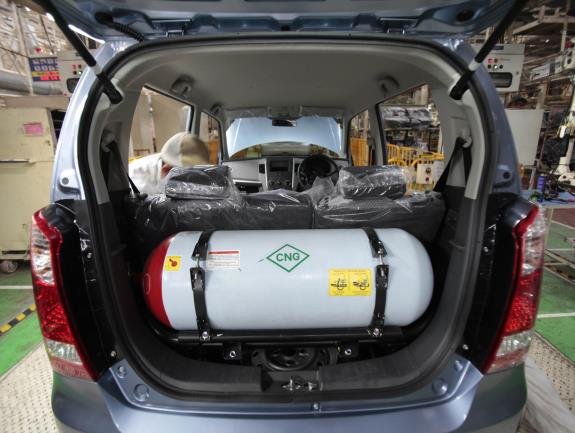
The appeal comes amid rising adoption of CNG in Nigeria. In just a year, vehicle conversions jumped from under 4,000 to nearly 100,000, according to Michael Oluwagbemi, head of the Presidential CNG Initiative. He also announced that 265 conversion centres now exist nationwide, up from only seven a year ago, with 60 active refuelling stations and 175 more under development.
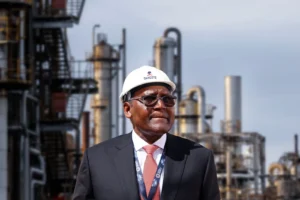
Private investors are also buying into the vision. The Dangote Group alone has deployed 4,000 CNG trucks and committed $280 million to the sector part of a broader $1 billion investment from multiple partners.
The government’s long-term goal is to ease the financial pressure on Nigerians, especially following fuel subsidy cuts. CNG-powered transport is expected to lower food prices and boost household savings. In Lagos, for instance, the cost of meat has reportedly dropped in some areas due to lower transportation costs via CNG vehicles.
Despite these gains, challenges remain. Transport union official Babatunde Karim praised the savings, saying CNG slashed fuel costs from N50,000 to N12,000 on some routes but pointed out ongoing issues like gas shortages and low pressure at stations.
Oluwagbemi admitted the transition hasn’t been perfect but asked Nigerians to be patient as the infrastructure develops. He emphasized that the programme is on track, with 100 more refuelling stations expected to launch within three months.
He also urged the public to back the government’s broader clean energy efforts, which include a goal of converting 250,000 more vehicles to CNG in the near future.