In a decisive effort to clamp down on crude oil theft and rebuild confidence in Nigeria’s upstream oil industry, the federal government has approved 37 alternative evacuation routes for transporting crude oil across the country.
This strategic shift was revealed by Engr. Gbenga Komolafe, head of the Nigerian Upstream Petroleum Regulatory Commission (NUPRC), during the 24th edition of the Nigerian Oil and Gas (NOG) Energy Week held in Abuja.
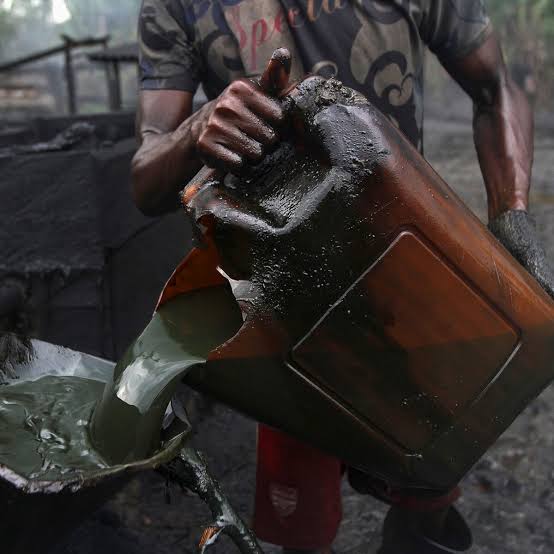
According to Komolafe, the new routes are part of a coordinated approach with security agencies to bypass heavily sabotaged pipelines and ensure crude gets to export terminals with minimal risk. Years of pipeline vandalism and illegal tapping, he noted, have drained billions in lost revenue and crippled production output.
“By opening up safer and more secure evacuation corridors, we’re reducing exposure to theft and restoring transparency in the system,” he said.
The NUPRC chief also pointed out that the Commission is enforcing strict compliance with the Domestic Crude Supply Obligation (DCSO), which mandates steady feedstock delivery to local refineries, a key measure to reduce Nigeria’s dependence on imported fuel.
In another major update, Komolafe announced regulatory pressure on operators flouting gas flaring rules under the Nigerian Gas Flare Commercialisation Programme (NGFCP). He confirmed that penalties have already been imposed on some companies failing to honour gas flare-out agreements.
Digitisation also featured in his speech, with the Commission making notable progress in automating its operations, a move aimed at reducing bureaucracy, speeding up approvals, and giving real-time access to data for industry players.
On climate commitments, Komolafe revealed that March 18 will now be recognised annually as Upstream Decarbonisation Day, serving as a checkpoint to evaluate emission reduction efforts across Nigeria’s oil and gas operations.
He further disclosed that Nigeria has rolled out a framework for carbon tracking and credit generation — turning emissions reductions into financial assets, while also supporting a growing ecosystem of environmental tech and consulting services.
“We’re modernising operations, protecting our resources, and creating new value chains out of climate action,” Komolafe said. “Nigeria isn’t just participating in the energy transition — we’re taking the lead.”