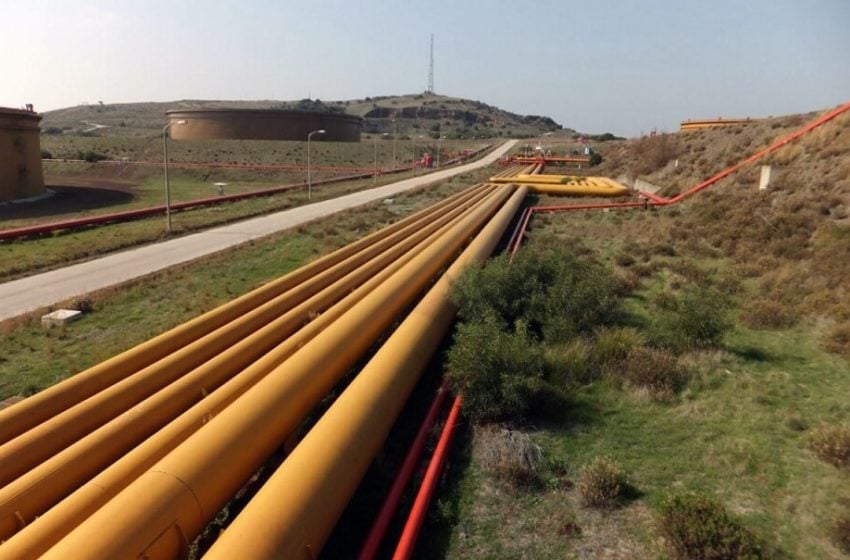
Turkey is pushing for a renewed energy agreement with Iraq that would allow full-scale use of the Iraq-Turkey oil pipeline and expand cooperation into gas, petrochemicals, and electricity.
Turkish Energy Minister Alparslan Bayraktar said the pipeline—capable of transporting over 1.5 million barrels of oil per day—has never reached its full potential. He emphasized that future agreements should ensure the pipeline is used to its maximum capacity.
This development follows Turkey’s decision to end its decades-old oil transit agreement with Iraq, which was originally signed in 1973 and is set to expire in July 2026. The agreement enabled the flow of Iraqi crude to the Turkish port of Ceyhan on the Mediterranean.
According to Iraqi officials, Turkey has suggested extending the pipeline further into southern Iraq as part of efforts to increase its capacity.
Oil exports through the pipeline were suspended after the International Chamber of Commerce ruled that Turkey violated the 1973 deal by exporting oil without Baghdad’s consent. Since then, both nations have been working to restart the flow, including a new agreement between the Iraqi federal government and the Kurdistan Regional Government (KRG) approved in July.
Talks are ongoing as Turkey and Iraq look to strengthen energy ties and restore a vital oil supply route.