Nigeria’s telecom regulator, alongside IHS Towers, is working to settle a diesel supply conflict that threatens to disrupt mobile phone services for millions across the country.
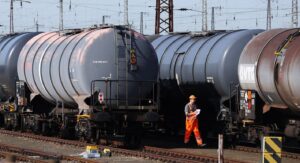
The issue arose when unions representing petroleum workers and oil suppliers blocked access to major diesel depots in Lagos, Kaduna, and Delta State. This blockade stopped the delivery of fuel essential for powering thousands of telecom base stations managed by IHS Towers for MTN, Airtel, Globacom, and 9mobile.
IHS Towers confirmed that legal proceedings are ongoing but did not provide further details. The company has reported the situation to the Nigeria Communications Commission (NCC) and security agencies and is collaborating with them to reach a resolution.
The blockade came after IHS accused two firms connected to the Natural Oil and Gas Suppliers Association of Nigeria (NOGASA) of diesel theft. While investigations continue, the unions have halted fuel deliveries to IHS sites.
Since telecom towers largely depend on diesel generators due to unreliable electricity supply, any extended fuel disruption could interrupt voice and data services for millions, putting Nigeria’s $75 billion telecom market at risk.
Gbenga Adebayo, chairman of the Association of Licensed Telecommunications Operators of Nigeria (ALTON), urged the unions to resolve their dispute through legal means, warning that such interruptions could negatively impact the economy and national security.
IHS reiterated its commitment to maintaining strong network uptime and protecting Nigeria’s critical information infrastructure, which is legally safeguarded with penalties for interference.
Industry data indicates that Nigeria’s mobile sector consumes more than 40 million liters of diesel monthly, with annual expenses exceeding $350 billion. Rural sites face higher costs due to greater reliance on diesel.
To reduce fuel expenses and carbon emissions, operators like Airtel and MTN are adopting hybrid energy systems combining solar power and lithium batteries. The NCC and GSMA estimate this shift to renewable energy could cut operating costs by 30 to 50 percent.