A United States-based energy consultant, Chukwuma Atuanya, says the Amukpe–Escravos pipeline has helped strengthen Nigeria’s crude oil export system since it began operations in 2022.
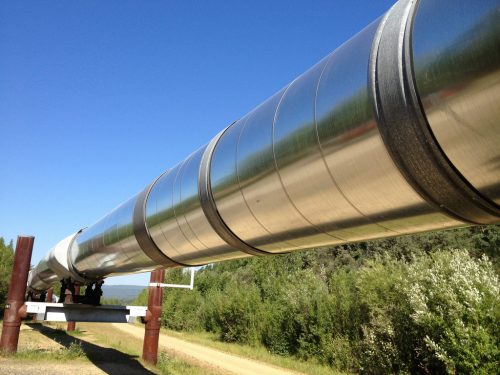
The 67-kilometre pipeline, which runs from Amukpe in Delta State to the Escravos export terminal, was built to improve the movement of crude oil from the western Niger Delta. It has the capacity to transport about 160,000 barrels of crude per day and is now considered an important part of Nigeria’s export infrastructure.
Atuanya explained that the project faced several challenges during development, including funding difficulties, environmental concerns, delays, and ownership issues. Despite these setbacks, he said the pipeline has performed consistently since it was commissioned.
He noted that the underground design has contributed to its steady operation, helping to reduce interruptions and improving reliability compared to some other pipelines in the region. Its route also reduces exposure to common security risks in oil-producing areas.
Industry stakeholders say the pipeline has helped stabilize crude flow by providing an additional evacuation route, making export operations more predictable. The facility is jointly owned by NNPC Exploration and Production Limited with a 60 percent stake and Pan Ocean Oil Corporation Nigeria Limited with 40 percent.
Atuanya stressed that maintaining the pipeline’s performance will require continuous protection efforts. He called for stronger surveillance systems and a balanced security approach to prevent disruptions along the corridor.
He also urged closer cooperation with host communities, saying local engagement is key to reducing interference and environmental risks around critical infrastructure.
Looking ahead, he suggested that oil operators in the region consider working together on additional pipeline projects and adopting digital monitoring tools to improve efficiency and security.
Overall, the Amukpe-Escravos pipeline is seen as a key asset supporting Nigeria’s oil export stability and helping to ensure more consistent crude delivery to export terminals.