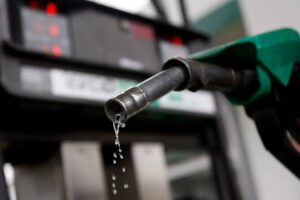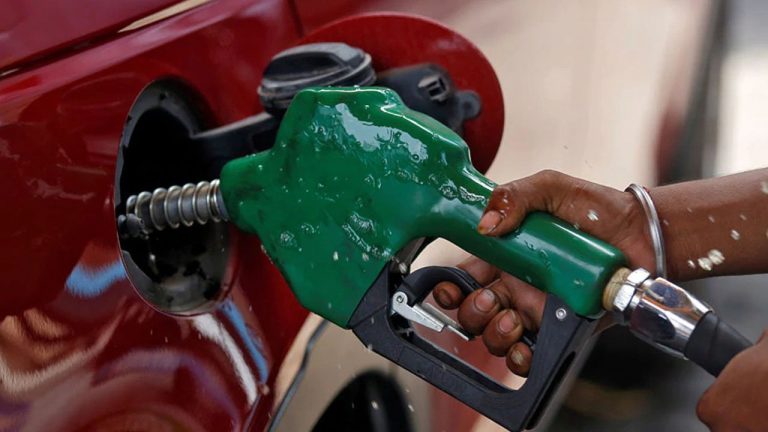
The reopening of the Strait of Hormuz after a ceasefire in the Middle East has triggered a drop in global crude oil prices, raising expectations that petrol prices in Nigeria could fall from the current average of N1,261 per litre to around N900–N1,000 per litre in the coming weeks.
Energy experts and oil marketers said although the global oil market has started to stabilise, Nigerians may not see an immediate reduction at filling stations because marketers still hold stock purchased at higher prices.
An energy law expert at the University of Lagos, Dayo Ayoade, explained that the ceasefire between Iran, the United States and Israel has restored confidence in shipping through the vital oil transit route. He said this development is already easing supply pressures that had driven up crude prices.
According to him, the effect on local pump prices will be gradual and may take two to three weeks to materialise if the truce holds.
The Chief Executive Officer of Petroleumprice.ng, Olatide Jeremiah, disclosed that crude oil prices recorded an 11 per cent drop following the reopening of the route. He projected that petrol prices could fall below N1,000 per litre within days if marketers reflect the changes promptly.
Also speaking, the Petroleum Products Retail Outlets Owners Association of Nigeria said current conditions support a drop in pump prices to around N900 per litre, compared to the present N1,261 per litre. Its spokesman, Joseph Obele, noted that petrol sold for about N800 per litre before tensions escalated earlier in the year.
He urged marketers to align their prices with supply costs and called on the Nigerian National Petroleum Company Limited to speed up refinery operations to reduce reliance on imports.
Economist Muda Yusuf of the Centre for the Promotion of Private Enterprise said falling crude prices should translate to lower petrol prices within weeks, although existing stock may delay immediate relief.
However, economist Sheriffdeen Tella cautioned that while the shipping route is open, other global supply factors may slow down the speed at which prices drop locally.
The development followed confirmation from Iranian authorities that commercial vessels can safely pass through the Strait during the ceasefire. The move was welcomed by Donald Trump, who said broader issues with Iran remain unresolved.
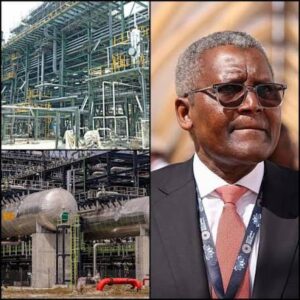
Earlier, President of the Dangote Group, Aliko Dangote, warned that oil price volatility was already affecting sectors such as aviation and agriculture, with fertiliser prices rising sharply in recent weeks.