Indonesia’s nationwide push to blend palm oil with diesel fuel is delivering significant economic gains, with $3.68 billion in foreign exchange savings recorded in the first half of 2025.
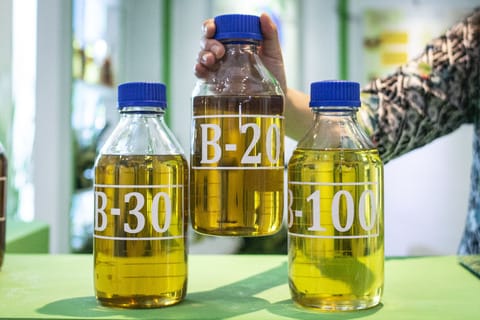
Energy Minister Bahlil Lahadalia announced on Monday that the country has distributed 6.8 million kiloliters of biodiesel under its B40 policy, a mandate requiring diesel fuel to contain 40% palm oil. Introduced in early 2025, the program aims to curb reliance on imported fossil fuels while adding value to Indonesia’s palm oil industry.
Processing crude palm oil into biodiesel has generated about Rp 9.51 trillion ($583 million) in added value for the economy. The government has set a target of distributing 13.5 million kiloliters of B40 biodiesel this year, with current figures showing it is already halfway there.
The program has expanded steadily over recent years. From 2020 to 2022, the mandatory blend was 30%, before rising to 35% in 2023 and 2024. Annual biodiesel output grew from 8.4 million kiloliters in 2020 to 13.2 million last year, when savings from reduced fuel imports reached around $9.3 billion.
As the world’s largest palm oil producer, Indonesia views biodiesel as a key strategy to strengthen energy security, reduce import bills, and capitalize on its vast natural resources.