Nigeria generated about 1.37 trillion standard cubic feet (scf) of natural gas in the first half of 2025, the Nigerian Upstream Petroleum Regulatory Commission (NUPRC) reports. Monthly production averaged 229 billion scf, with January leading at 236.3 billion scf and February the lowest at 199.7 billion scf.
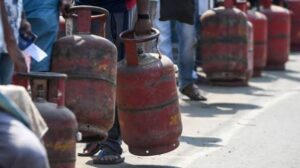
Around 1.26 trillion scf of the gas produced—roughly 92 percent—was utilized. This includes 408.3 billion scf for field operations, 370.7 billion scf for domestic consumption, and 481.1 billion scf exported.
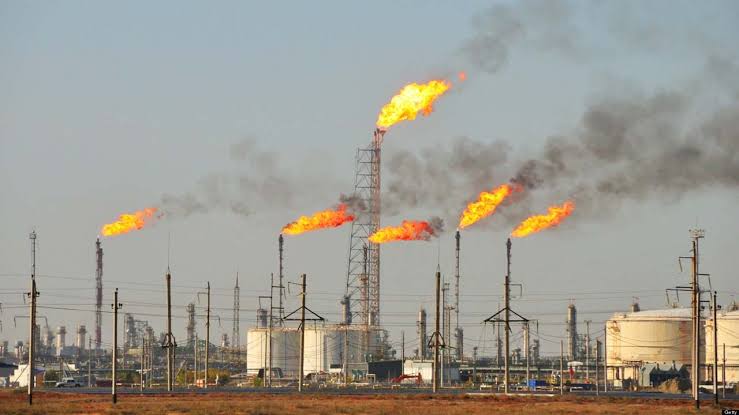
Despite this, gas flaring remains a concern. Companies flared 101.4 billion scf over the six months, making up 7.4 percent of total output. January saw the highest flaring at 18.7 billion scf, while February recorded the lowest at 15.9 billion scf. NUPRC noted that April, May, and June figures are provisional and may be revised.
Authorities said the production levels highlight the nation’s dependence on gas for power, industry, and exports, while calling for stronger efforts to reduce flaring and expand local usage.
Industry experts warned that inconsistent government policies and unpaid gas debts are limiting the country’s ability to fully exploit its estimated 200 trillion scf of gas reserves. Temitope Ogedengbe of NLNG emphasized the need for a homegrown energy transition strategy tailored to Nigeria’s economic and energy realities.
Former Power Minister Prof. Bart Nnaji pointed to gas shortages and infrastructure gaps as barriers to growth in the power sector, predicting that gas-fired plants will dominate Nigeria’s energy generation in the coming two decades.
Engr. Chichi Emenike of Neconde Energy highlighted delayed payments for gas supplied to electricity companies—sometimes for nearly two years—as a major deterrent to private sector investment.
Experts say Nigeria’s vast gas reserves could play a key role in achieving a sustainable and affordable energy transition if properly managed.