Nigeria’s push to strengthen its midstream oil and gas sector is beginning to change fuel trade patterns across Africa, according to a new industry report.
The 2025 OPEC World Oil Outlook projects that Africa will add 1.2 million barrels per day (bpd) of refining capacity by 2030, making it one of the fastest-growing regions for downstream development.
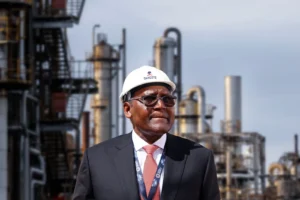
At the heart of this shift is Nigeria’s 650,000-bpd Dangote Refinery, which began operations in 2024 and is already influencing regional supply flows. The country is also advancing the 200,000-bpd Akwa Ibom Refinery.
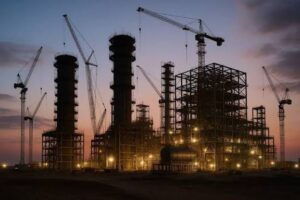
Other African nations are following suit: Angola is developing the Lobito (200,000 bpd) and Soyo (100,000 bpd) refineries, while Uganda is building a 60,000-bpd plant in Hoima. Smaller modular refineries in Ghana, Guinea, Congo, and parts of Nigeria are also stepping in to address infrastructure gaps. North African producers such as Algeria, Libya, and Egypt are upgrading facilities to secure domestic fuel supply.
OPEC estimates refining projects in Africa will require more than $100 billion by 2050, with $40 billion expected by 2030 alone. Rising domestic demand — projected to more than double from 1.8 million bpd in 2024 to 4.5 million bpd by 2050 — will reduce crude exports, making refining a strategic priority.
Industry experts say these investments mark a turning point that could transform Africa from a crude exporter into a fully integrated energy hub.