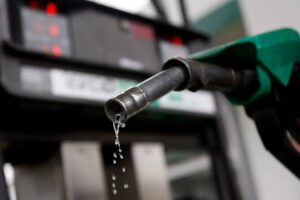
China’s biggest oil companies are rethinking their strategies as the country’s rapid shift toward clean energy eats into profits from traditional fuels. PetroChina and Sinopec, two of the nation’s largest state-owned firms, reported weaker first-half earnings as gasoline and diesel demand slumped amid the surge of electric vehicles and growing use of natural gas.
To adapt, both companies are moving aggressively into alternative fuels and high-value chemical products. Sinopec has already signaled plans to accelerate the shutdown of outdated refineries and restrict new investment in basic chemicals, while prioritizing advanced materials used in industries such as aviation, robotics, batteries, and electric mobility. PetroChina is also expanding its portfolio beyond conventional fuels, highlighting products like low-sulfur marine fuel, lubricants, carbon fibers, and insulation materials for high-voltage power systems.
Executives at both firms said the changes are necessary as China’s refining sector faces some of its toughest years in decades. Official data show oil processing has lost money through much of 2025, with fuel consumption now widely believed to have peaked. PetroChina’s CFO, Wang Hua, acknowledged that the growth of EV charging infrastructure and natural gas use is applying “significant pressure” on gasoline sales.
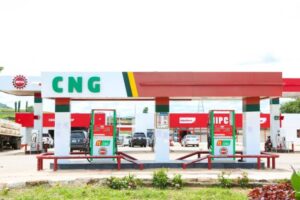
At the same time, natural gas and electricity are becoming more central to their business models. PetroChina recorded a 59% jump in liquefied natural gas (LNG) sales and more than doubled activity at its EV charging stations in the first half of the year. The company is also preparing a $5.6 billion purchase of gas storage assets to cement its lead in that sector. Sinopec, meanwhile, has grown into China’s top player in the retail LNG market while developing EV battery networks as part of its push to evolve into an integrated energy provider.
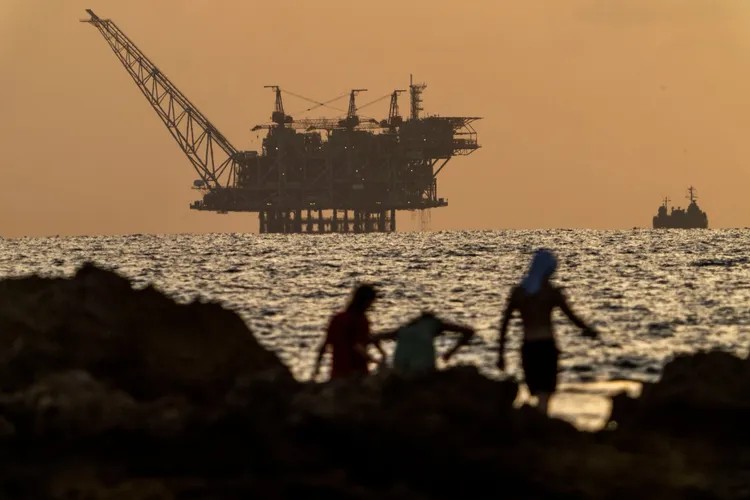
Despite the pivot downstream, China’s three state oil majors—including offshore specialist Cnooc Ltd.—remain aligned with Beijing’s emphasis on energy security. That means keeping crude production stable while scaling up gas output to balance the transition.