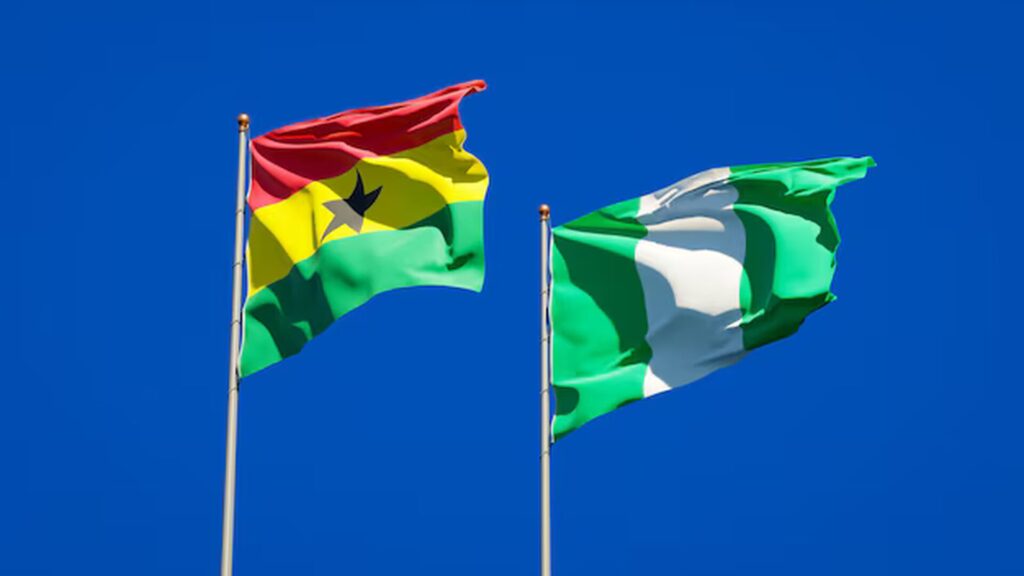
Nigeria and Ghana are working on a pioneering energy swap deal that could reshape electricity supply across West Africa.
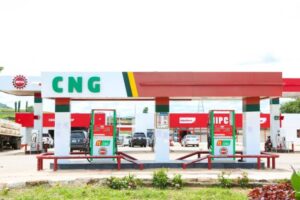
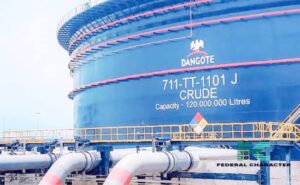
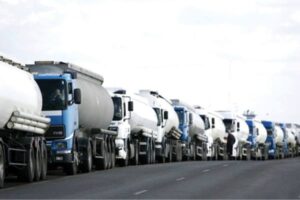
Unveiled during the Future Energy Conference in Accra, the plan involves Nigeria providing natural gas to Ghana, which would convert it into electricity and send part of the power back to Nigeria.
According to Ghana’s Energy Minister, John Abdulai Jinapor, the concept represents a practical example of regional partnership. “Our discussions are centered on a barter system: we take gas from Nigeria, generate electricity, and re-export some of that power. This approach can redefine regional energy cooperation,” he said.
Despite its vast gas reserves, Nigeria continues to face persistent electricity shortages caused by weak generation and distribution infrastructure. Ghana, by contrast, has established strong generation capacity and cross-border transmission networks, already delivering power to Togo, Benin, Côte d’Ivoire, and Burkina Faso.
Through the swap, Nigeria would benefit from dependable electricity imports, while Ghana would gain a guaranteed gas supply to sustain its expanding generation plants.
Analysts believe the agreement could fast-track West Africa’s drive toward regional power integration, helping curb energy poverty and fueling industrial growth. The initiative also supports ECOWAS’ long-standing plan for a unified electricity market across member states.
Ghana’s push into nuclear energy is also seen as part of the broader regional energy strategy, offering long-term stability for domestic and export needs.
To bring the deal to life, both nations will need to secure new infrastructure, harmonize regulations, and attract private investment. Negotiations are still ongoing around pricing formulas, delivery timelines, and technical standards.
However, the momentum signals a wider recognition that West African countries must collaborate to secure sustainable energy, rather than relying solely on national resources.