The Dangote Petroleum Refinery is seizing new opportunities in the global fuel market as several refineries in the Middle East undergo routine shutdowns for maintenance.
Industry sources revealed that the $20 billion facility in Lekki has recently increased shipments of petrol, diesel, and aviation fuel to international buyers, including countries in the Gulf region. In August alone, the plant reportedly exported multiple cargoes to meet rising demand abroad.
According to energy analysts, refinery closures in Saudi Arabia and Kuwait have tightened gasoline supplies across the Gulf, pushing regional importers to source fuel from alternative suppliers. Saudi Aramco has already suspended operations at some of its major plants, including the 460,000 bpd Satorp refinery in Jubail, which will be offline for two months later this year. Other facilities in Riyadh, Jizan, and Yanbu are also facing reduced output. Kuwait is preparing for similar shutdowns at its Mina Abdullah complex in October.
These disruptions have triggered a surge in gasoline imports across the Gulf. Data from Vortexa showed that regional imports rose to over 1 million tonnes in July, the highest since January, with Saudi Arabia and the UAE sharply increasing their purchases.
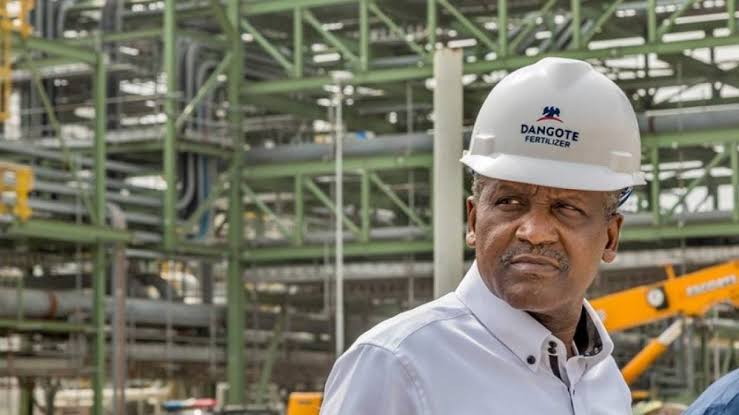
Against this backdrop, Dangote’s refinery has emerged as a timely supplier. The company confirmed earlier this year that it delivered two shipments of jet fuel to Saudi Aramco, describing the move as a milestone for Nigeria’s refining industry. Group President Aliko Dangote also disclosed that between June and July, the refinery exported nearly 1 million tonnes of petrol, marking Nigeria’s transition into a net exporter of refined products.
While some industry reports suggest the refinery may still be addressing minor operational challenges, Dangote officials insist production is on track and that output could rise to 700,000 barrels per day by December.
Analysts say the ongoing maintenance programmes in the Middle East, coupled with growing demand in Asia after the monsoon season, could further boost export opportunities for the Nigerian plant.
The refinery, which began production in 2024, is now positioning itself as a major player in global fuel supply chains, easing regional shortages while strengthening Nigeria’s profile in the downstream oil sector.