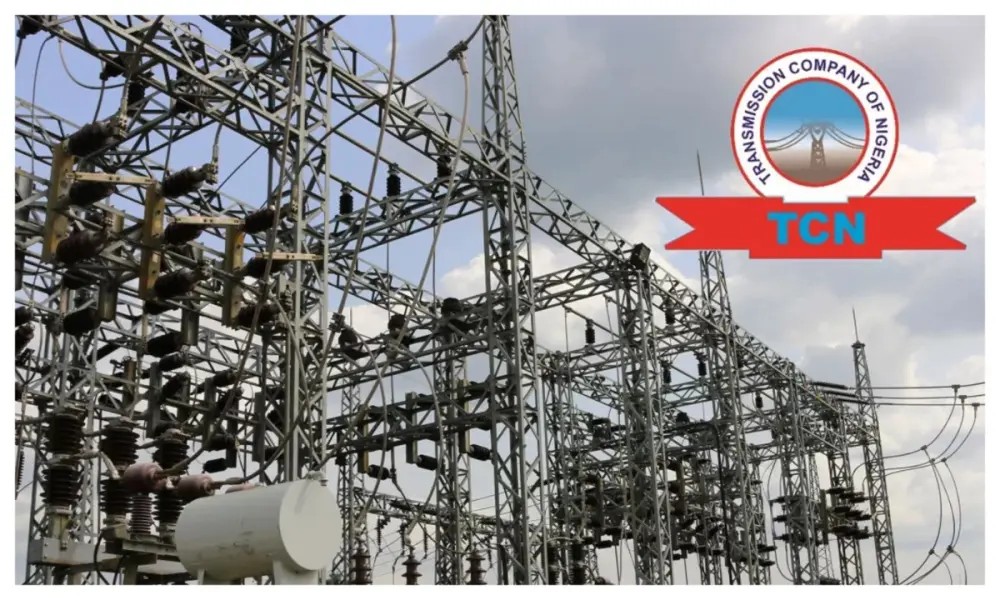
Debate is brewing in Nigeria’s renewable energy space following a proposal by the Nigerian Electricity Regulatory Commission (NERC) to allow households and companies to sell surplus solar power to the national grid.
While the regulator believes the policy could boost renewable integration, key players in the sector insist the move is premature. They argue that Nigeria’s solar generation is still too small to justify such a measure and that the country’s fragile grid cannot support it.
Prof. Magnus Onuoha, President of the Governing Council of the Renewable Energy and Energy Efficiency Association Alliance (REEEAA), said his group is not convinced. According to him, Nigeria’s installed solar capacity—about 385 megawatts—is a far cry from the 20,000 to 80,000 megawatts generated by leading solar economies.
“The challenge is not what to do with excess solar,” Onuoha stressed. “The real task is expanding off-grid solutions so millions of rural Nigerians without electricity can have access. A reliable grid is still lacking, with frequent system collapses making integration difficult.”
NERC had highlighted Nigeria’s growing investment in solar energy, noting that over four million panels worth more than $200 million were imported in 2023, with the figure climbing even higher in 2025. It also pointed to the addition of 63.5 megawatts of solar power in 2024 as evidence of rising adoption.
But sector advocates like Onuoha say the government’s focus should shift toward rural electrification, micro-business empowerment, and poverty reduction. He praised the 2023 Electricity Act, which opened the door for states to develop and manage their own power supply, and commended the Rural Electrification Agency (REA) for driving smaller-scale solar projects in underserved areas.
Through such efforts, developers are being encouraged to deploy systems ranging from 100 kilowatts to 1 megawatt in villages and semi-urban communities, giving them more stable and secure power access than the national grid currently provides.