The Nigerian National Petroleum Company Limited (NNPC Ltd) says the country’s oil, gas, and electricity output took a severe hit during the three-day nationwide strike launched by the Petroleum and Natural Gas Senior Staff Association of Nigeria (PENGASSAN).
In a letter to industry regulators and security agencies, NNPC’s Group Chief Executive Officer, Bashir Bayo Ojulari, disclosed that the industrial action, which began on September 28, led to the deferment of about 283,000 barrels of crude oil per day and 1.7 billion standard cubic feet of gas. This disruption also slashed national electricity supply by roughly 1,200 megawatts.
Ojulari noted that the losses amount to 16 percent of Nigeria’s oil production, 30 percent of its marketed gas, and 20 percent of available power supply. He warned that the strike’s continuation would have posed a “material threat” to the country’s energy security and revenue base.
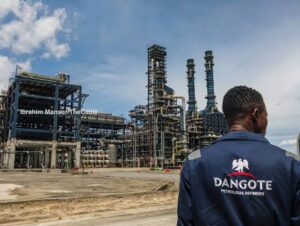
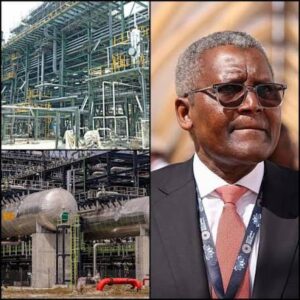
The work stoppage, triggered by a bitter dispute between PENGASSAN and Dangote Petroleum Refinery, forced the shutdown of major oil terminals, gas plants, and power facilities. PENGASSAN accused the refinery of targeting union members with mass transfers and dismissals, while also replacing some Nigerian workers with expatriates. Dangote Group, however, maintained that its staffing changes were strictly operational.
The crisis prompted the Federal Government to intervene, citing the potential damage to the economy. After late-night talks in Abuja, PENGASSAN announced a temporary suspension of the strike, stressing that it was acting out of respect for government institutions rather than confidence in Dangote.
Union president Festus Osifo said the truce is fragile and could collapse at any moment. “This is a suspension, not a call-off. If Dangote reneges on the agreement, we will resume immediately without notice,” he declared.
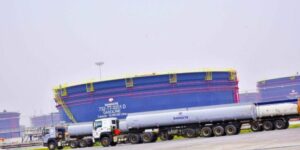
Beyond immediate production losses, NNPC also reported delays in critical maintenance projects across offshore fields, adding that missed crude liftings and deferred gas sales are already hurting the company’s cash flow. Ojulari cautioned that stalled export schedules could lead to costly demurrage claims from international buyers.
While PENGASSAN insists the standoff is about workers’ rights and welfare, it dismissed suggestions that the strike was driven by union dues. “This fight is about fair pay and freedom of association, not money,” Osifo said, adding that workers joined the union to secure better conditions comparable to global oil and gas standards.
The refinery dispute remains unresolved, with the union vowing to keep a close watch on the company’s compliance with government-mediated terms.