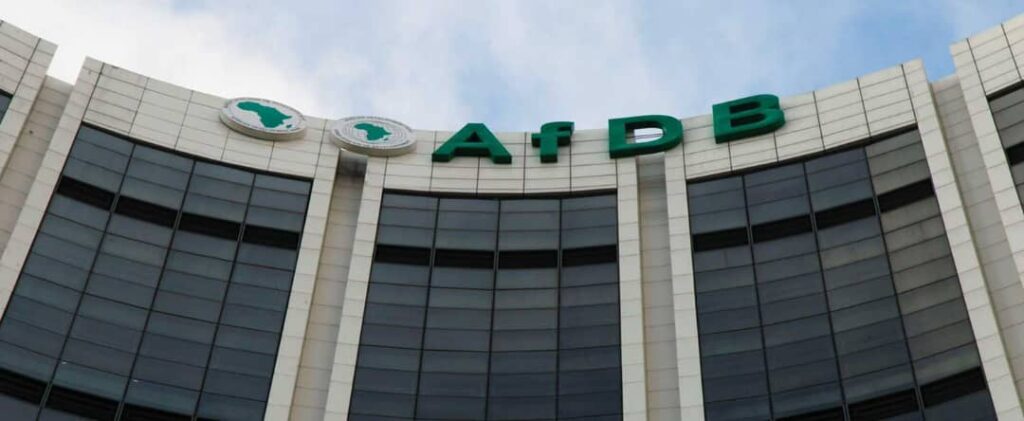
The African Development Bank (AfDB) has stressed that gas initiatives in Africa must be structured as financially viable projects if they are to attract investment and deliver long-term benefits.
Speaking at the Africa Energy Week 2025 in Cape Town, AfDB chief gas officer Charles Nyirahuku said gas remained a critical resource for both power generation and economic development, particularly in creating jobs and expanding energy access across the continent.
He noted that the bank’s role went beyond providing funding, as it also supported governments in building regulatory environments that would encourage private capital inflows. “The market framework must be strong,” he explained, pointing out that power utilities, regulators, and governments all played vital roles in sustaining the sector.
A key concern, Nyirahuku highlighted, was that many independent power producers depended on state utilities as their sole buyers. This left projects vulnerable to the financial health of these utilities. For gas-to-power projects to succeed, utilities must be able to set cost-reflective tariffs and reliably collect payments, he said. Encouragingly, utility performance is improving in several regions, alongside greater cross-border cooperation.
On financing, Nyirahuku observed that capital is not the problem—major companies in the industry have generated substantial revenues. The challenge lies in directing these funds toward well-prepared, investable projects. He emphasized the importance of feasibility studies to clarify whether gas would best serve local power generation or be transported via cross-border pipelines.
“Bankability, clear offtake agreements, and robust regulatory frameworks are essential to move these projects forward,” he stressed, adding that partnerships with development banks could help strengthen liquidity and investor confidence across the energy value chain.