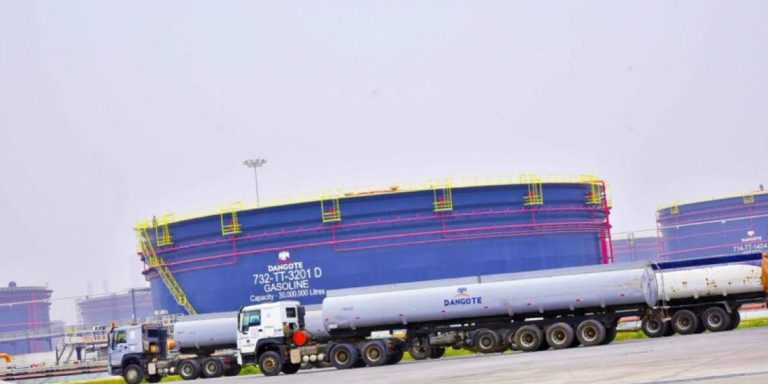
The Human Rights Writers Association of Nigeria (HURIWA) has accused major oil workers’ unions — PENGASSAN, NUPENG, and the Nigeria Labour Congress (NLC) — of plotting to disrupt operations at the Dangote Petroleum Refinery. The group described their actions as an attempt to sabotage one of Nigeria’s most vital industrial projects.
In a statement released in Abuja, HURIWA’s National Coordinator, Emmanuel Onwubiko, said the unions’ agitation against the refinery was politically motivated and harmful to the nation’s economic progress. He noted that it was ironic that these same unions remained silent when Nigeria’s state-owned refineries were being mismanaged for years.
The group called for a forensic audit of the country’s four government refineries — Port Harcourt, Warri, and Kaduna — to determine how billions of dollars were spent on rehabilitation and staff salaries despite no fuel production.
According to HURIWA, more than $25 billion has been spent over the last two decades on failed maintenance projects, while reports from NEITI and the National Assembly show that between 2010 and 2020, about ₦11.35 trillion went into refinery operations and salaries. Out of this, around ₦3.7 trillion was paid to workers in non-functional facilities.
The association described this as “institutionalized economic sabotage,” accusing the unions of enabling inefficiency and corruption instead of demanding reform.
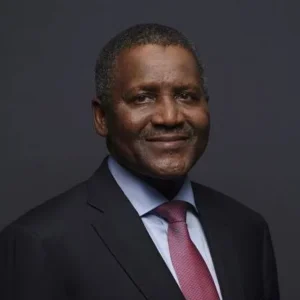
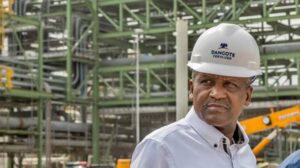
HURIWA contrasted the state refineries’ failures with the success of Aliko Dangote’s privately built refinery, which has already started exporting refined petroleum products, including to the United States — a first in Nigeria’s history.
The rights group commended Vice President Kashim Shettima for describing the Dangote Refinery as a “national asset,” urging both the Presidency and the National Assembly to protect it from any form of union interference.
While recognizing workers’ rights to unionize, HURIWA insisted that such rights should not be used to obstruct production or destabilize vital national projects. It said that maintaining productivity and stability should take priority over union politics.
The group urged lawmakers to classify the Dangote Refinery as a strategic national asset — not by government ownership, but through legislative protection — as a symbol of Nigeria’s industrial progress.
HURIWA concluded that while government-owned refineries have drained public funds for decades without results, the Dangote Refinery has restored global confidence in Nigeria’s refining sector and must be shielded from any act of sabotage.