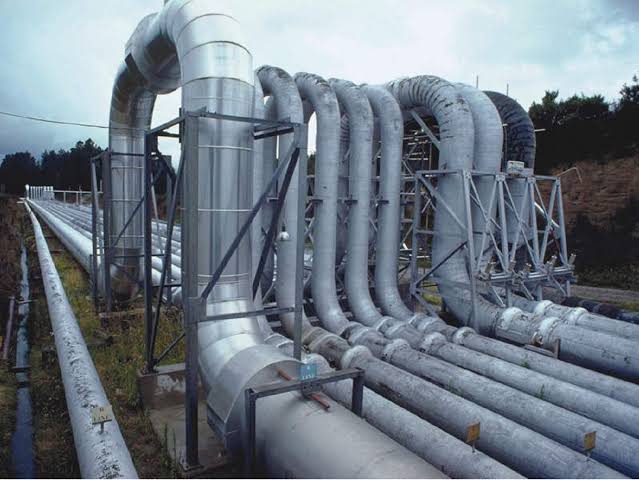
Aviation stakeholders and Jet A1 marketers have called on the Federal Government to rehabilitate and reopen the 98-kilometre fuel pipeline linking Atlas Cove to the Murtala Muhammed Airport, Lagos, saying its restoration will significantly cut costs and improve efficiency in the aviation sector.
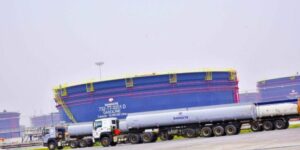
The pipeline, which has been out of service since 1992 following a rupture and subsequent closure over suspected sabotage, previously supplied aviation fuel directly to the airport. Its shutdown forced marketers to transport fuel by road, a practice experts say now contributes to high logistics costs, road congestion, and frequent accidents involving fuel tankers.
Speaking at a colloquium themed “Aviation Fuel Business in Nigeria: The Scenario and the Metaphor”, Managing Director of CITA Energies Ltd, Dr. Thomas Ogungbangbe, emphasized that reviving the pipeline would enhance safety, security, and quality control in the industry while saving Nigeria millions of dollars monthly.
He noted that the aviation fuel market has grown beyond the capacity of the country’s airlines, with about 45 marketers currently competing in the sector. Ogungbangbe urged the Nigerian Civil Aviation Authority (NCAA) to review licensing processes and ensure better regulation to maintain product quality.
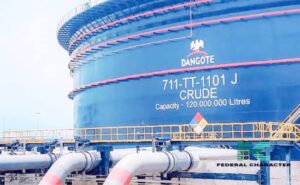
“We still lose millions of litres of Jet A1 to neighbouring countries, but that’s beginning to reduce with the emergence of the Dangote Refinery,” he said. “However, we must improve control measures and restore key infrastructure like the Lagos airport pipeline to sustain progress.”
Also speaking, Managing Director of Ndano Energy, Mr. Chris Ndulue, called for stricter oversight by the NCAA to ensure the integrity of aviation fuel supplied to airlines. He further advised the Federal Airports Authority of Nigeria (FAAN) to be more strategic in allocating land to marketers, warning that excessive numbers of operators at some airports could lead to inefficiency.
According to Ndulue, “Some airports, including Enugu, have more marketers than necessary. Collaboration among operators is essential for efficiency, even though past experiences have made partnerships difficult.”
Industry players believe that reopening the fuel pipeline will not only streamline operations and reduce logistics costs but also boost competitiveness in Nigeria’s aviation sector.