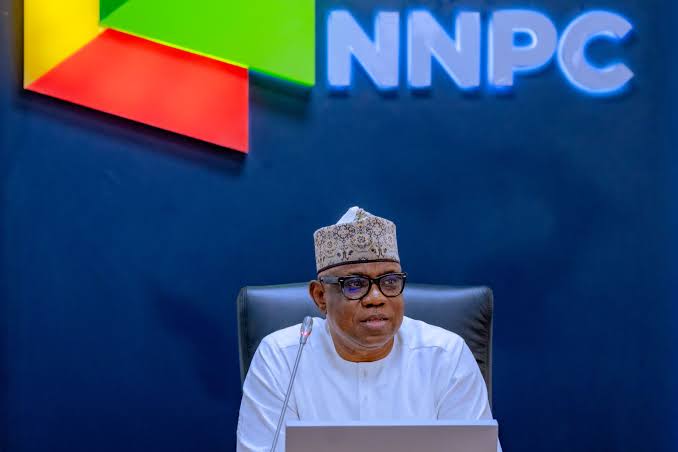
The Nigerian National Petroleum Company Limited (NNPCL) has begun a full-scale evaluation of its three key refineries in Port Harcourt, Warri, and Kaduna to assess their technical and commercial viability.
According to the company, the move is part of its long-term plan to transform Nigeria’s state-owned refineries into efficient, profitable facilities capable of meeting local fuel demand and competing globally.
Group Chief Executive Officer, Bayo Ojulari, announced the initiative on X (formerly Twitter), describing it as a “new chapter” in Nigeria’s refining sector. He noted that the review would help determine whether each refinery should be upgraded, repurposed, or restructured for better performance.
In industry terms, “high-grading” a refinery involves more than basic repairs—it means modernising ageing plants with advanced technologies to improve efficiency, output quality, and profitability.
Ojulari explained that the exercise would rely on both internal and external experts, who will assess the current state of the facilities and recommend the best commercial and operational models. “We are committed to positioning NNPCL as a transparent, commercially driven energy company serving Nigerians,” he said.
The company plans to partner with reputable international refinery operators—referred to as Technical Equity Partners—to lead the next phase of the rehabilitation. Discussions are already underway, with a focus on ensuring strict technical standards and accountability.
NNPCL emphasised that the refinery review aligns with Nigeria’s National Energy Strategy, which prioritises energy security, asset optimisation, and adherence to the Petroleum Industry Act.
Despite multiple attempts over the years, Nigeria’s state-owned refineries—collectively designed to process 445,000 barrels per day—have struggled to operate at commercial levels. None of the plants have produced refined fuel at scale in more than a decade.
In recent months, NNPCL has faced pressure from stakeholders, including the Independent Petroleum Marketers Association of Nigeria (IPMAN), to accelerate repairs on the Port Harcourt refinery, which has been idle since May 2025 despite scheduled maintenance.
The company has ruled out selling the facility, instead reaffirming its commitment to complete the rehabilitation and ensure the refineries play a key role in meeting the country’s fuel needs.
Ojulari added that the current review marks the beginning of a long-awaited transformation aimed at making Nigeria’s refining sector self-reliant, profitable, and globally competitive.