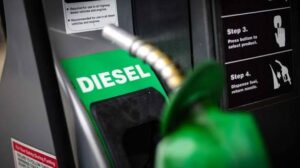
The Manufacturers Association of Nigeria has asked the Federal Government to ensure that revenue from the newly approved 15 per cent import duty on petrol and diesel is invested directly into strengthening the country’s energy and industrial systems.
The association said the tariff aligns with its push for stronger local production, support for Made-in-Nigeria goods, and a long-term industrial strategy centred on reducing dependence on imported fuels.
MAN’s Director-General, Segun Ajayi-Kadir, said in a statement on Wednesday that the tariff was a strategic tool to discourage fuel dumping, encourage domestic refining, and improve value addition across the manufacturing sector. According to him, the move signals that government is paying attention to the needs of local industries, especially as they struggle with rising energy costs.
He noted that the measure should speed up the readiness of local refineries and help stabilise fuel supply for businesses, adding that transparent implementation would be critical to ensuring that manufacturers and consumers benefit without facing unexpected cost pressures.
MAN also advised regulators, including the Nigerian Midstream and Downstream Petroleum Regulatory Authority and the Federal Competition and Consumer Protection Commission, to closely monitor market pricing to prevent profiteering and unfair practices. With the festive season approaching, the association urged government to avoid disruptions that could trigger hoarding or supply gaps.
The group further called for tariff revenues to be channelled into refinery upgrades, power solutions for industries, and financing schemes to help manufacturers transition to more efficient energy systems. Ajayi-Kadir reiterated MAN’s long-standing position on the need to privatise moribund refineries to end the drain on public funds.
Backing MAN’s stance, the Centre for the Promotion of Private Enterprise described the tariff as a corrective step aimed at protecting emerging local industries. CPPE Director, Muda Yusuf, said the measure would reduce pressure on foreign exchange, support refining projects like the Dangote facility and modular operators, and strengthen the country’s resilience against external shocks.
Yusuf added that the tariff must be complemented by accessible loans, improved power supply, infrastructure investment and simpler regulations to boost industrial efficiency. He argued that no country has developed sustainably while keeping its manufacturing sector fully exposed to unrestricted imports.
Both organisations maintain that the tariff, if properly managed, could help Nigeria deepen its refining capacity, improve energy security, and build a more competitive industrial base.