Indonesia is stepping up efforts to produce sustainable aviation fuel (SAF) as part of its push to reduce carbon emissions in the aviation sector. State-owned energy company Pertamina plans to expand SAF production at its existing refineries and explore building new “green” facilities across the country.
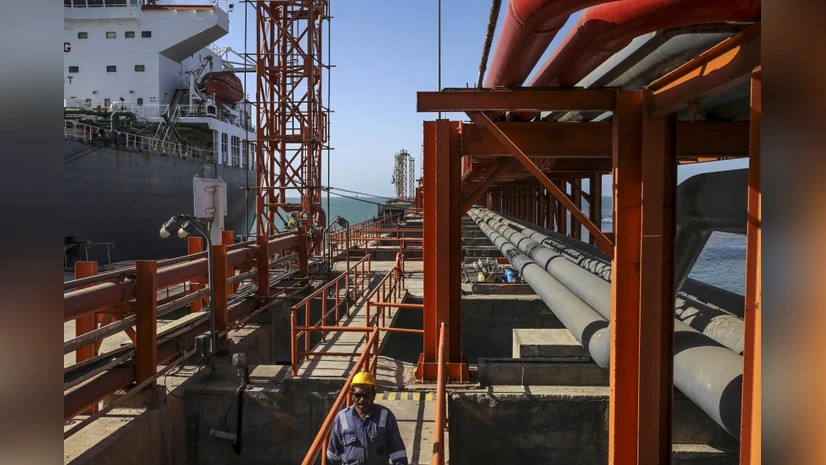
The Cilacap refinery in Central Java, Indonesia’s largest, currently produces SAF using used cooking oil as one of its feedstocks. The facility processes roughly 348,000 barrels of crude oil per day, supplying about a third of the nation’s fuel needs. Approximately 3% of its SAF output comes from collected cooking oil, which is converted into jet fuel through a multi-step chemical process involving heating, catalysis, and hydrogen stabilization. The resulting fuel can cut aviation carbon emissions by up to 80% compared to conventional jet fuel.
Pertamina is also exploring ways to increase the proportion of used cooking oil in SAF blends, with local engineers working on homegrown catalysts developed in partnership with the Bandung Institute of Technology. The country generates an estimated 6–7 million tonnes of cooking oil annually, much of which could be redirected to domestic SAF production. Local waste banks already provide communities with a modest income from selling used cooking oil, creating a growing green supply chain.
Indonesia aims to introduce a 1% SAF blend in aviation fuel by 2027 and reach a 5% blend for international flights by 2035. However, high production costs remain a key challenge, with SAF priced two to five times higher than conventional jet fuel. Experts have called on the government to provide support, such as removing value-added taxes on fuel and tickets, to prevent higher airline fares.