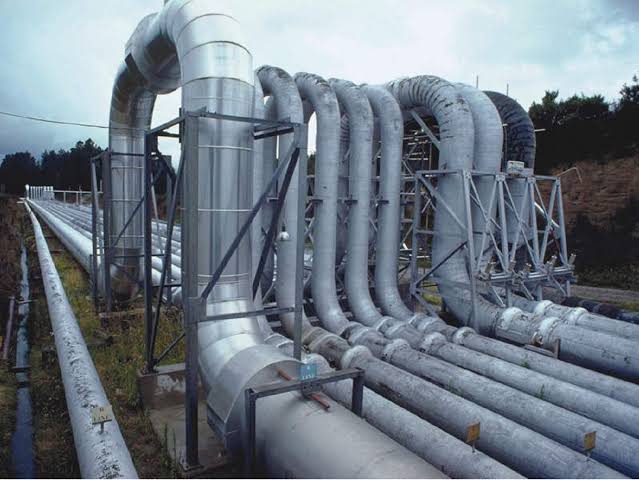
The Nigerian National Petroleum Company Limited (NNPCL) revealed that it spent a total of N17.5 trillion on pipeline protection, energy-security operations, and fuel under-recovery during the 2024 financial year, highlighting the immense financial burden of maintaining national energy infrastructure.
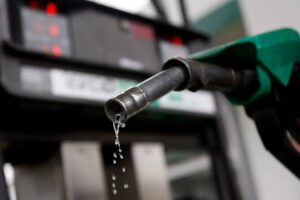
According to NNPCL’s 2024 consolidated financial statements, N7.13 trillion of the total expenditure was allocated to energy-security costs, aimed at safeguarding critical oil and gas assets, preventing crude theft, and stabilising fuel supply and prices. Another N8.67 trillion was spent on under-recovery of refined petroleum products, reflecting the gap between regulated fuel prices and actual import costs. Additional outlays of N8.84 trillion were recorded under “Other Receivables from Federation,” covering advances to the federal government and security-related expenses.
The disclosures come amid growing calls from analysts and energy experts for a forensic audit of NNPCL’s finances, citing concerns over persistent pipeline leakages, theft, and systemic opacity in the national oil company. Energy analyst Jeremiah Olatide described the N17.5 trillion figure as “outrageous” given Nigeria’s daily crude production of around 1.4–1.5 million barrels, far below potential output.
Public finance analyst Kelvin Emmanuel also raised alarms about the pipeline security spending, noting that crude allocations to militants for pipeline protection may be hidden within these expenses. He urged for open contracting and third-party verification to prevent misuse of funds.
Despite the massive spending, NNPCL posted a Profit After Tax of N5.4 trillion for 2024, marking a 64% increase from N3.297 trillion in 2023. The growth was driven by higher crude production, improved trading operations, and increased revenue from petroleum products, natural gas, and power. Total revenue jumped from N23.99 trillion in 2023 to N45.08 trillion in 2024.
The report also highlighted the challenges of regulated fuel pricing, exchange-rate volatility, and the expectation of government reimbursement, which continue to strain NNPCL’s balance sheet. Analysts emphasised the need for disciplined cash-flow management, enhanced oversight, and transparency in pipeline and energy-security spending to ensure sustainable operations.
NNPCL’s financial results underscore both the company’s operational strengths and the persistent structural challenges of maintaining Nigeria’s energy security in a complex fiscal and regulatory environment.