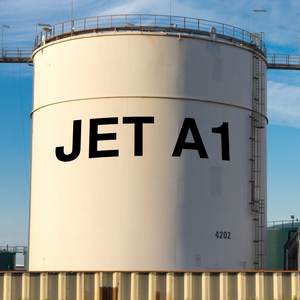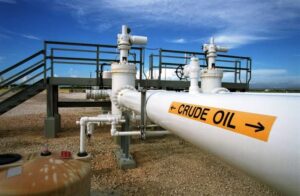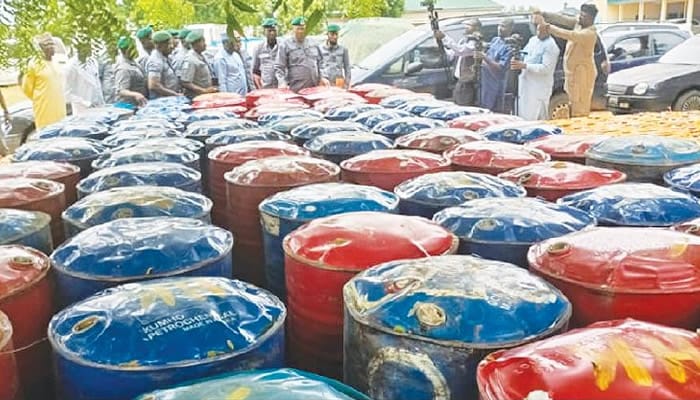
The Nigeria Customs Service and the Nigerian Midstream and Downstream Petroleum Regulatory Authority (NMDPRA) have intensified efforts to stop petroleum products meant for local use from being diverted to other countries. The move comes as Nigeria works to secure its energy supply while expanding refined fuel exports.
Customs Comptroller-General Adewale Adeniyi and NMDPRA Executive Director Ogbugo Ukoha recently met to discuss closer collaboration on border monitoring, intelligence sharing, and coordinated enforcement.
Adeniyi emphasized that Customs is committed to ensuring petroleum products designated for domestic use stay in Nigeria. He highlighted the success of Operation Whirlwind, a joint initiative with NMDPRA, which has helped reduce fuel diversion through intelligence-led operations and real-time information exchange.
He also praised NMDPRA’s alignment with the Petroleum Industry Act, stressing that clear export procedures are critical as Nigeria increases refining capacity. “Our goal is to protect national interests, support legitimate trade, and maintain a system that stakeholders can trust,” Adeniyi said.
Ukoha noted that the partnership between Customs and NMDPRA has been productive, with joint operations and intelligence exchanges along border corridors significantly cutting cross-border fuel smuggling. He added that removing fuel subsidies has reduced the incentive for illegal export.
The meeting also reviewed new guidelines for designating export points for petroleum products, ensuring that Nigeria’s growing refining capacity benefits domestic supply without compromising energy security.
Fuel smuggling has cost the Nigerian economy billions of naira in recent years. With private refineries increasing local production, regulators are now focused on balancing export opportunities with protecting domestic supply, requiring tighter coordination and clear border rules.