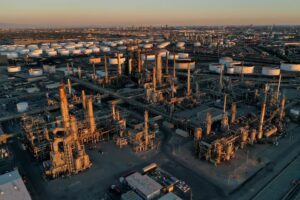
Nigeria has recorded a significant boost in its oil and gas sector, attracting $18.2 billion in investments after approving 28 new field development plans in 2025, according to the Federal Government.
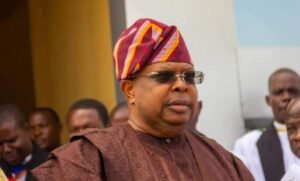
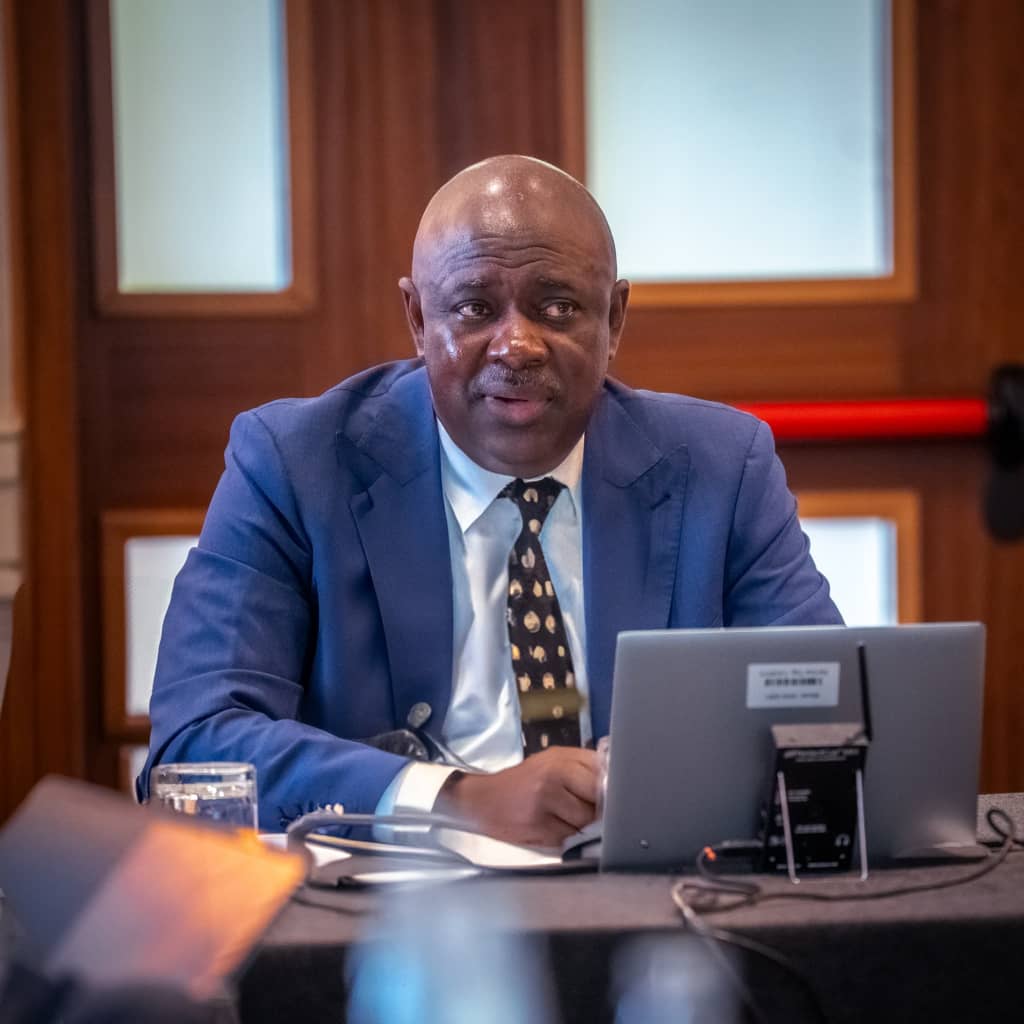
The Minister of State for Petroleum Resources (Oil), Heineken Lokpobiri, announced this in Abuja at the opening of the 9th Nigeria International Energy Summit 2026, describing the development as a major turnaround for the industry.
Lokpobiri said the approved projects have an estimated production capacity of 1.4 billion barrels of crude oil and place Nigeria at the forefront of oil and gas investment in Africa. He noted that between 2024 and 2025, four of the seven major Final Investment Decisions made on the continent were secured by Nigeria.
He explained that the renewed interest from investors was driven by targeted reforms, clearer policies, and stronger regulatory oversight, which helped rebuild confidence in the sector after years of declining output and stalled projects.
The minister identified the full implementation of the Petroleum Industry Act as a key factor in the recovery, saying it introduced stability in fiscal terms, simplified licensing procedures, and strengthened regulation.
He added that the Upstream Petroleum Operations Cost Efficiency Incentives Order 2025 further supported growth by reducing operating costs and offering tax incentives to producers.
On production levels, Lokpobiri said the launch of Project One Million Barrels in October 2024 had pushed crude output to between 1.7 million and 1.83 million barrels per day within a year, representing roughly a 20 per cent increase.
He also noted a sharp rise in industry activity, with active oil rigs increasing from 14 in 2023 to more than 60, reflecting renewed momentum across the sector.
Lokpobiri said the completion of long-standing asset divestments by international oil companies had transferred onshore and shallow-water assets to Nigerian firms, adding about 200,000 barrels per day to national production.
Despite the progress, he acknowledged ongoing challenges in the oil and gas services sector, particularly in engineering, procurement, and construction, where policy misinterpretations have created operational difficulties.
He urged African countries to strengthen collaboration, describing the continent’s $120 billion annual hydrocarbon import bill as a lost opportunity, and called for greater support for the African Energy Bank based in Nigeria.
Meanwhile, industry stakeholders at the summit called for further reforms, including reduced bureaucracy, streamlined fees, and better access to long-term financing, to sustain the sector’s growth and competitiveness